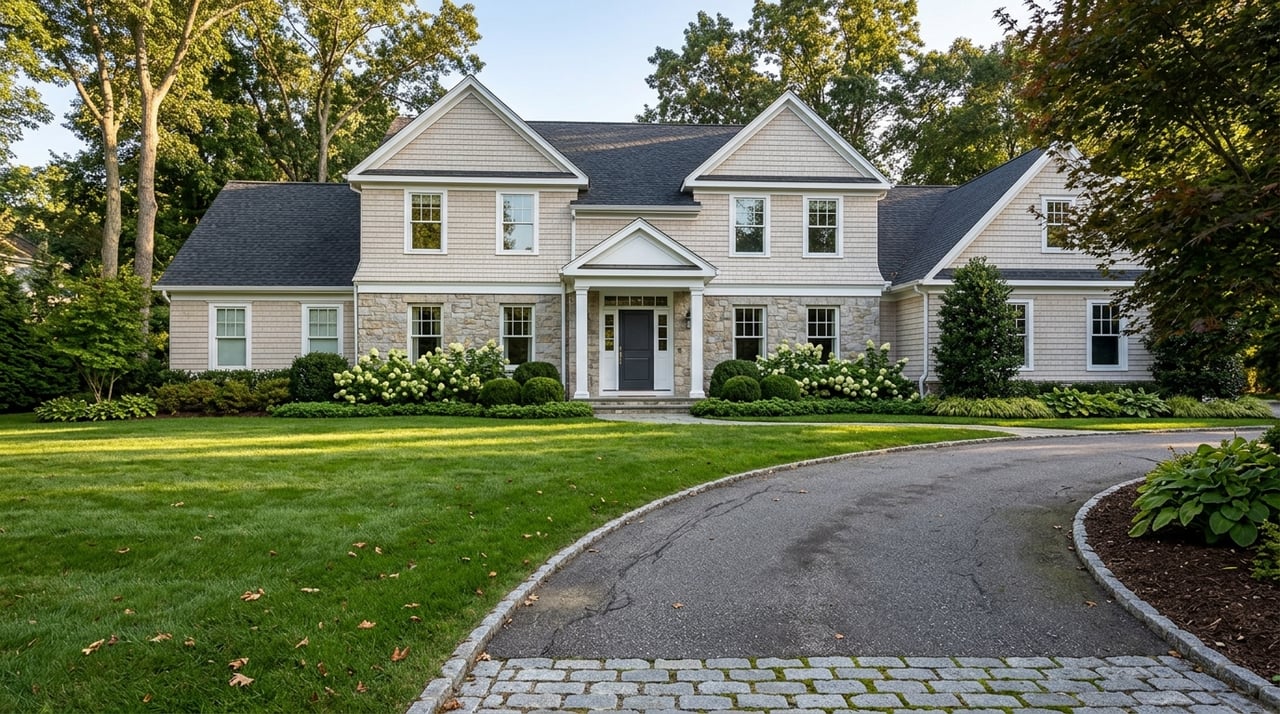
Glen Mills Neighborhoods Comparison: Estates vs. HOAs
July 9, 2026
July 9, 2026
Choosing between a planned community and an estate-style home in Glen Mills is not just about square footage. It is about how you want to live day to day, how much land you want to manage, and what kind of neighborhood structure fits your priorities. If you are comparing these two paths, this guide will help you sort through the real trade-offs in Glen Mills so you can make a more confident decision. Let’s dive in.
Glen Mills is best understood as part of the Concord Township and Delaware County suburban market. Local planning materials show a mix of planned residential development and lower-density detached-home areas, especially along parts of the Route 322 corridor where the southern two-thirds are mostly single-family detached homes on larger lots.
That mix gives buyers a real choice. In one direction, you may find neighborhoods built around shared open space, trails, and HOA-managed common areas. In the other, you may find detached homes on larger parcels where the lot itself provides more separation and more owner-controlled outdoor space.
In Pennsylvania, planned communities with more than 12 units are generally governed by the Uniform Planned Community Act. That framework gives the association responsibility for maintaining common elements unless the community declaration says otherwise, and it requires annual budgets and assessments for common expenses.
For you as a buyer, that means a planned community usually adds another layer of rules and shared costs beyond normal township requirements. You are not just buying the home. You are also buying into a system for maintaining common property and managing shared neighborhood standards.
The exact details vary by community, so you should always review the governing documents carefully. Still, local examples help show how the model works in practice.
In Concord Woods, the HOA says it maintains street lights and common property, manages easements in common areas, enforces bylaws, collects annual dues, and provides access to trails through shared open space. That is a useful Glen Mills example of how planned communities can exchange larger private yards for maintained shared land and neighborhood amenities.
Delaware County planning materials describe planned residential developments and planned unit developments as tools that can preserve open space near where people live. The county also identifies open space, trails, and natural resources as important local assets.
For many buyers, that matters as much as the house itself. A planned community may offer walking trails, greens, or common land that give you outdoor access without requiring you to maintain a full acre or more on your own.
On the other side of the Glen Mills market, you will still find lower-density settings shaped by larger-lot zoning. Concord Township zoning documents show that the R-2 Residential district requires a 1-acre minimum lot area, along with a 150-foot minimum lot width, 75-foot front yard, 20-foot side yards, and 30-foot rear yard.
Those standards support a very different living pattern from a compact planned community. Instead of shared open space serving the neighborhood, the individual lot does more of the work by creating distance, yard area, and room around the home.
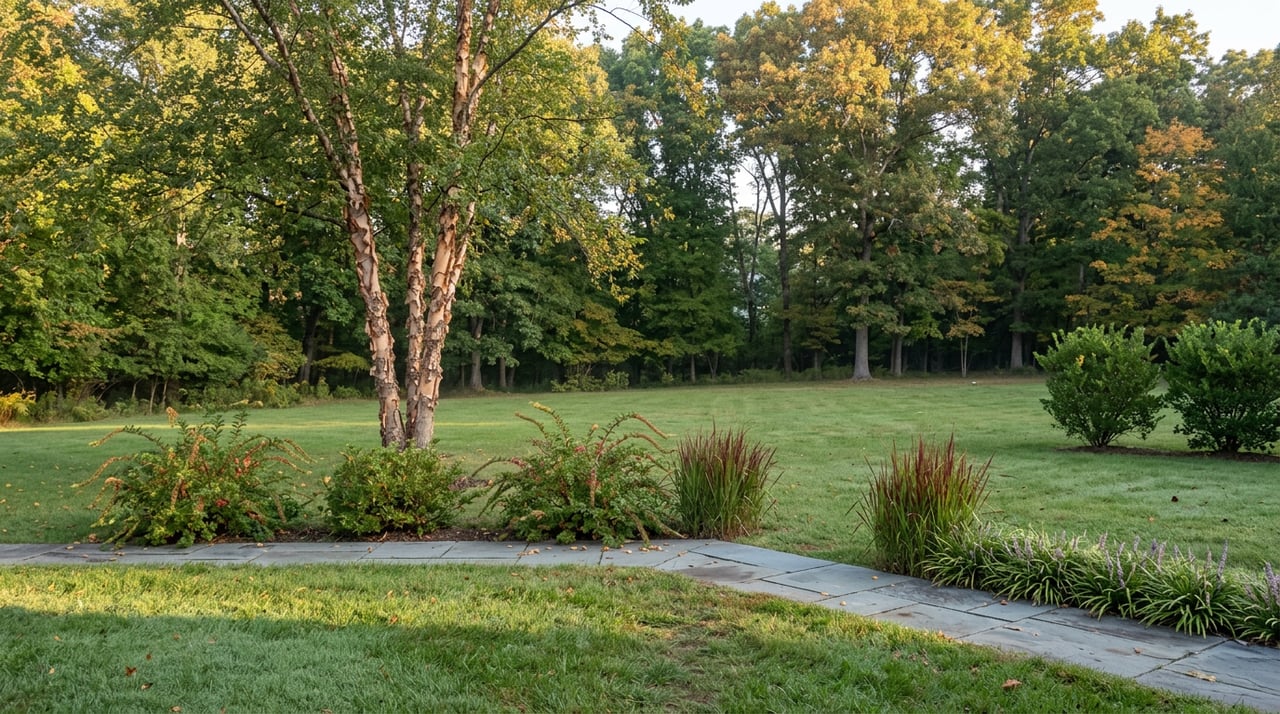
A larger lot often means more private outdoor area and more flexibility in how you use your yard, subject to local zoning and any other applicable restrictions. It can also mean more separation between homes compared with a tighter neighborhood layout.
At the same time, more land usually means more owner responsibility. The county housing plan notes that spread-out large homes on expansive lots consume more land and carry higher site-development costs than more compact housing patterns.
If you are deciding between these neighborhood styles, the most useful comparison usually comes down to maintenance, privacy, outdoor space, and rules.
Maintenance is often the clearest day-to-day difference. In a planned community, some upkeep responsibilities are folded into HOA dues and common-area budgets through the association structure required under Pennsylvania law.
In an estate-style setting, more of that responsibility stays with you. Lawn care, landscaping, and the general upkeep of a larger parcel are more directly part of ownership, which can be appealing if you want control but less appealing if you want less routine exterior work.
Planned communities often replace private acreage with shared open space, trails, or neighborhood greens. Estate-style homes rely more on the lot itself to create separation and outdoor use.
Neither approach is automatically better. It depends on whether you would rather have maintained shared land nearby or more private land that you manage yourself.
A planned community usually comes with HOA rules in addition to township regulations. Those rules may affect items like fences, additions, landscaping, or exterior materials, depending on the community documents.
With an estate-style home, you may have fewer neighborhood-level restrictions if there is no HOA, but you still need to understand township zoning and lot standards. Before you buy, it is smart to confirm what rules apply to the specific property rather than assuming either option gives you full flexibility.
Many buyers ask whether one style is better for future resale. The most balanced answer is that resale depends on fit with the buyer pool.
Research cited in the report found that HOA homes sold at an average premium of at least 4%, or about $13,500, compared with similar non-HOA homes, although the premium varies by location. Other research noted in the same report also suggests that HOA value can differ based on the size and quality of the association.
That means planned communities are not automatically a resale advantage, and estate-style homes are not automatically at a disadvantage. Buyers respond to whether the dues, rules, open-space model, and maintenance structure line up with what they want.
When you tour homes in Glen Mills, a few practical questions can make the decision much clearer.
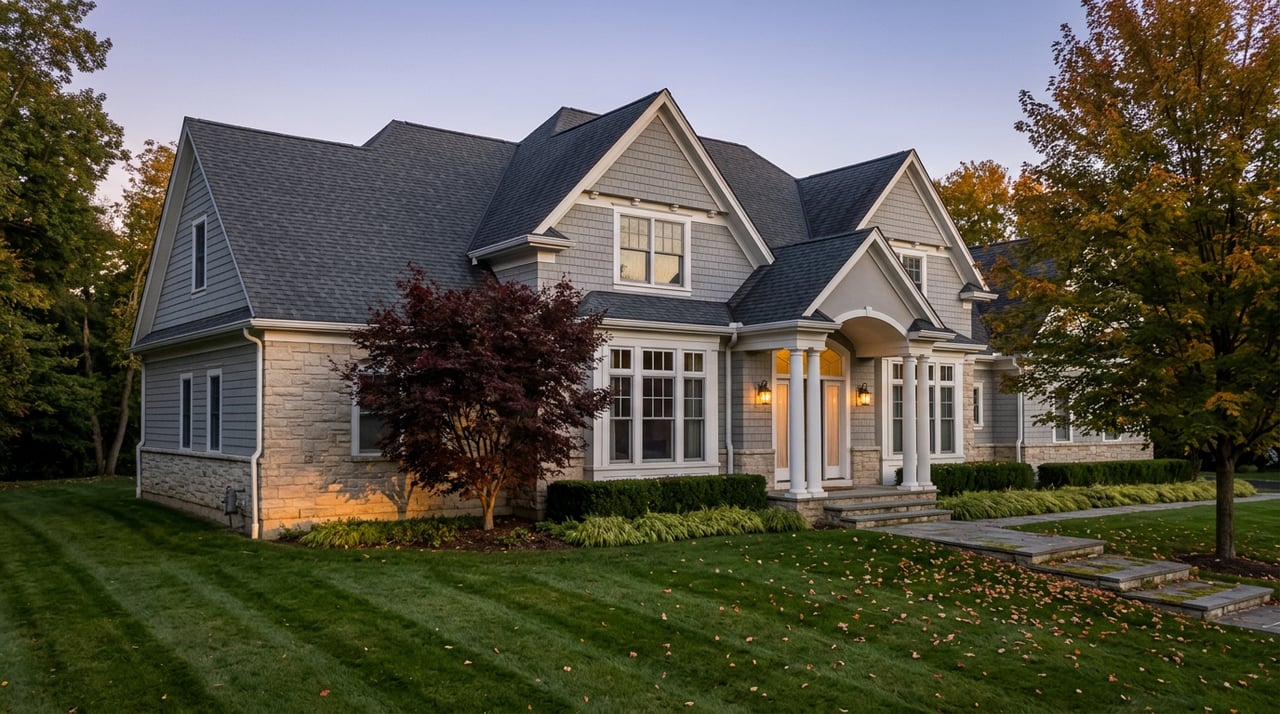
A planned community may fit you well if you like the idea of shared open space, neighborhood trails, and a more structured approach to maintenance and appearance. This option can work especially well if you want predictable common-area management and do not need a large private lot.
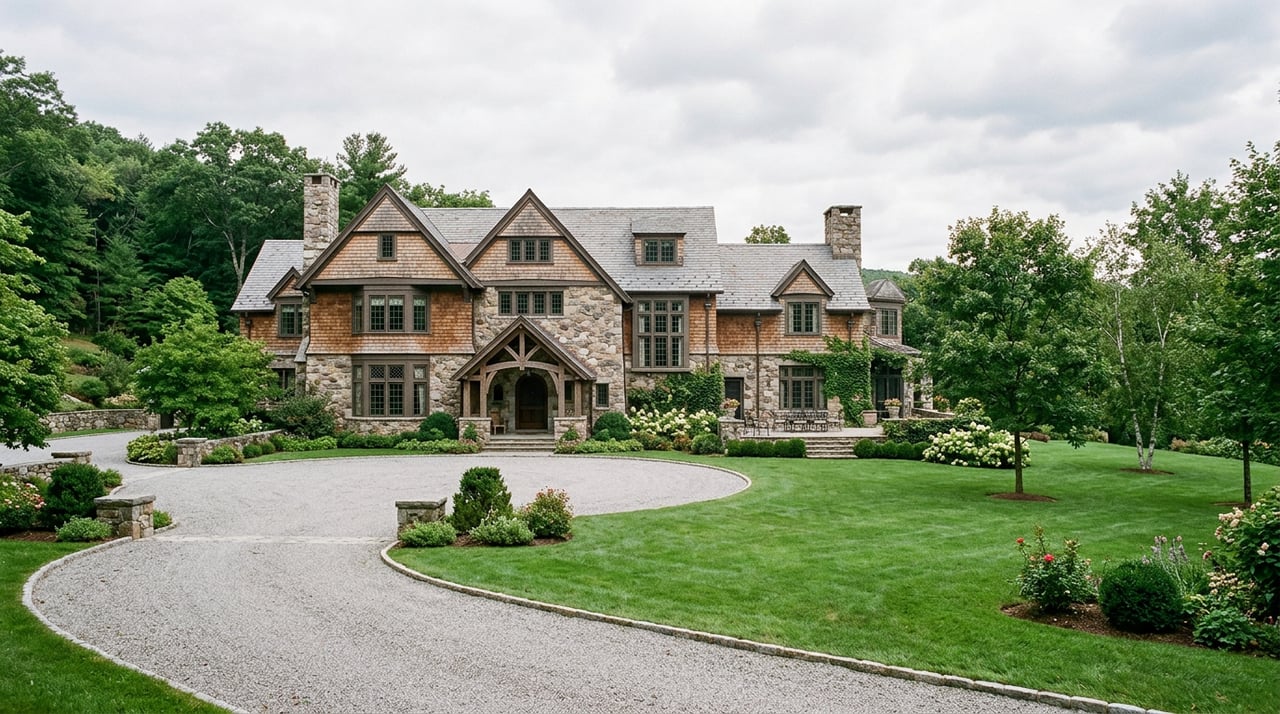
An estate-style home may be a better fit if you value a larger parcel, more separation between homes, and more owner-managed outdoor space. This option can appeal to buyers who see the yard itself as a major part of the property’s value and lifestyle.
The right answer is usually less about trend and more about fit. In Glen Mills, both neighborhood styles exist for a reason, and each offers a distinct way to live in the Concord Township market.
If you want help comparing planned communities and larger-lot homes in Glen Mills, John Bell can help you evaluate the trade-offs, narrow your options, and make a move with confidence.
Stay up to date on the latest real estate trends.
Get assistance in determining current property value, crafting a competitive offer, writing and negotiating a contract, and much more. Contact John today so he can guide you through the buying and selling process.