Listing Equestrian And Estate Properties In Chadds Ford
May 7, 2026
May 7, 2026
If you are selling an equestrian or estate property in Chadds Ford, you already know it is not just another home listing. Buyers are looking at the residence, of course, but they are also studying the land, barns, access, upkeep, and how the property functions day to day. When you understand how Chadds Ford’s preservation-minded setting shapes value, you can prepare, price, and market your property more effectively. Let’s dive in.
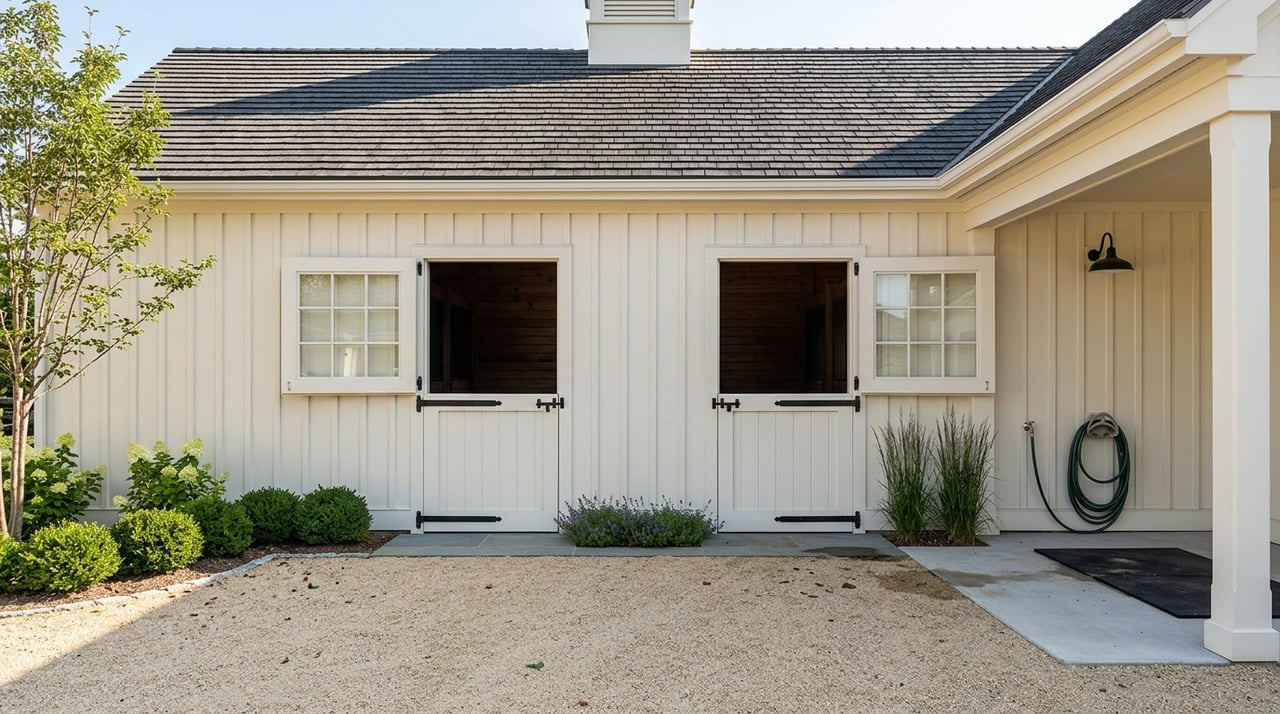
Chadds Ford has a strong agricultural and historic identity, and that matters when you bring an estate or horse property to market. Township rules emphasize open space, scenic and historic values, forests, wetlands, aquifers, floodplains, and prime agricultural farmland. The local zoning framework also recognizes agriculture, barns, silos, and horse stable uses, which makes land use part of the listing story.
In practical terms, buyers are not only purchasing a house. They are often evaluating privacy, view corridors, site layout, and how well the property supports its intended use. In a place where rural character is actively preserved, the land itself can be one of the property’s most important features.
That broader setting also shapes buyer expectations. Chester County reports that more than 151,000 acres, or just over 31% of the county, are permanently protected as open space or agricultural land. For many buyers, that preservation context is part of the appeal and part of the value.
A standard residential pricing approach does not always fit a Chadds Ford estate or equestrian property. These homes often sit on larger parcels, include specialized improvements, and may have fewer truly similar recent sales. That is why pricing needs a more careful review of both the home and the land.
Fannie Mae notes that traditional appraisals are available for complex properties or situations where data is limited. It also explains that unique or nontraditional homes can still be financeable if the appraiser has enough information to form a credible opinion of value. For sellers, that means good documentation and a realistic pricing strategy matter from the start.
For horse properties especially, buyers tend to weigh more than square footage and finish level. The utility of the land, the condition of the barn, fencing, drainage, access, and paddock layout can all influence marketability and value. A beautiful house may not be enough if the working parts of the property are not as functional as buyers expect.
When buyers assess these properties, they often look at several layers at once:
This is one reason estate and equestrian listings benefit from a specialized presentation. You are selling both a residence and an operational property.
If your property is subject to an agricultural conservation easement, that can change the pricing conversation. Chester County states that an agricultural conservation easement limits the use of the property to agricultural purposes and stays with the land for future owners. It is also compensated through an independent licensed appraisal.
Before pricing your property like an unrestricted estate parcel, it is important to confirm whether any easement or similar restriction is in place. That information can affect buyer interest, valuation, and how the property should be positioned in the market.
Getting an equestrian or estate property ready for market usually takes more than decluttering and fresh paint. In Chadds Ford, the operational side of the property can directly affect how buyers respond. Safety, maintenance, and visible readiness all help support a stronger first impression.
The township’s livestock rules offer a useful roadmap for sellers. Among other standards, horse shelters must provide 120 square feet per horse, manure storage must be at least 100 feet from lot lines and water features, and sellers must provide proof of a written manure management plan or nutrient management plan when applicable. The code also requires muddy or dusty pasture areas to be stabilized to help prevent erosion.
Those details may sound technical, but they matter in real life. Buyers notice whether a property looks orderly, safe, and well managed. They also tend to ask better questions when they see a property that appears thoughtfully maintained.
Before your property goes live, it helps to review both appearance and function. A strong prep plan may include:
These steps can help your listing show better and answer buyer questions early. They also help reduce surprises once due diligence begins.
A niche property needs a stronger marketing package than a typical suburban listing. Buyers in this segment are often highly motivated, but they also expect more detail before they schedule a showing. They want to understand the property’s layout, condition, and functionality, not just admire a few polished interior photos.
That expectation lines up with broader buyer behavior. In the National Association of Realtors 2025 survey, 83% of internet-using buyers said photos were very useful, 79% said detailed property information was very useful, 57% cited floor plans, 41% cited virtual tours, and 29% cited videos. NAR also reported that staging can increase the dollar value offered and reduce time on market.
For an estate or equestrian property, that means the listing should go beyond the main house. Buyers need to see the full picture of the property and how each piece connects.
A well-prepared listing often benefits from:
This kind of presentation helps serious buyers understand the property before they visit. It also supports stronger conversations about value because the listing shows more than square footage.
In Chadds Ford, the strongest listing strategy is rarely just about bedroom count and finishes. Buyers in this category are often drawn to land utility, privacy, preservation, and the long-term stewardship of the property. The house matters, but the setting and function often carry equal weight.
Chester County’s planning and equine resources reinforce that context. The county highlights the role of open-space preservation and describes the equine industry as part of its agricultural heritage and rural character. That supports a listing approach focused on how the property fits a buyer’s goals, not simply how it compares to a standard suburban home.
For sellers, this means your marketing should explain what makes the property usable and distinctive. If the layout supports horses, hobby farming, or another permitted use, that operational value should be presented clearly and accurately.
Some estate and equestrian properties have more than one use layer. If the property includes barns, farm-related operations, agritourism activity, or roadside farm sales, the township code may require approvals tied to parking, safe ingress and egress, and sign compliance. That is why listing remarks and disclosures should be handled with care.
The goal is not to overwhelm buyers with technical details. It is to provide a clean, accurate picture of what the property includes and what documents support those features. Clear information helps attract better-qualified interest and can make negotiations smoother later.
These sales often involve more moving parts than a typical residential transaction. Pricing may require deeper analysis, preparation often includes land and barn concerns, and marketing needs to speak to a narrower buyer pool. The right strategy brings those pieces together in a way that feels organized and credible.
That is especially important in a market like Chadds Ford, where preservation, rural character, and property function play such a visible role. Sellers benefit from guidance that is local, practical, and tailored to the realities of unique property types. With the right plan, you can present the property in a way that respects both its value and its complexity.
If you are thinking about selling an equestrian or estate property in Chadds Ford, the right guidance can make a meaningful difference in pricing, presentation, and negotiation. To start the conversation, connect with John Bell.
Stay up to date on the latest real estate trends.

Get assistance in determining current property value, crafting a competitive offer, writing and negotiating a contract, and much more. Contact John today so he can guide you through the buying and selling process.