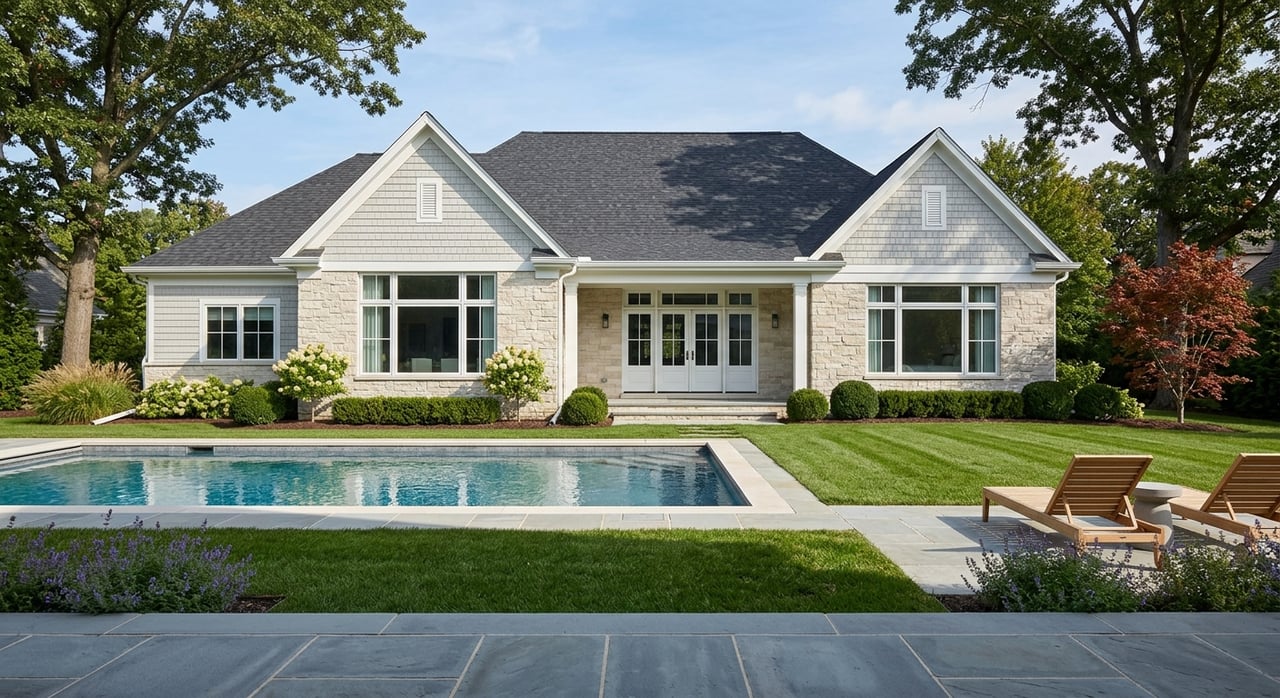
Move Up Buyers in Kennett Square: Plan Your Next Home
June 18, 2026
June 18, 2026
Are you starting to feel like your current home no longer fits the way you live, but you do not want to leave the Kennett Square area behind? That is a common move-up question, especially when you already know the value of staying close to the places and routines that matter to you. If you are thinking about selling one home and buying another, this guide will help you understand the local market, compare nearby areas, and plan your budget with more confidence. Let’s dive in.
For many buyers, trading up in Kennett Square is not really about leaving. It is about finding a better fit while staying connected to the community, daily patterns, and familiar destinations you already enjoy.
That local pull makes sense in a small borough with a 2025 population estimate of 6,893 across just 1.07 square miles. It also helps explain why many buyers compare options within the broader Kennett area instead of making a much bigger move.
Longwood Gardens is one example of the area’s lasting appeal. It sits about 3 miles northeast of Kennett Square and spans more than 1,100 acres, which adds to the sense that this part of Chester County offers both convenience and strong local identity.
If you are moving up, pricing and timing matter because you are managing both a sale and a purchase. Recent market data suggests Kennett Square remains active, but the exact story depends on whether you are looking at listing data or closed sales.
Realtor.com reported a median listing price of $598,900, median days on market of 46, and a 100% sale-to-list ratio in March 2026, calling the market balanced. Redfin reported a median sale price of $537,000 over the three months ending May 2026, with median days on market of 27 and a very competitive market.
Those numbers are not necessarily in conflict. They reflect different data sets and time windows, which is a useful reminder that your move-up strategy should be based on current, property-specific pricing rather than one headline number.
Another important detail is how much values can vary by location and housing type. Realtor.com shows nearby ZIP-level listing prices ranging from about $389,900 to $1.075 million, so your next step may look very different depending on where you want to land.
When buyers say they want to move up in Kennett Square, they are often comparing several nearby settings rather than one single neighborhood choice. The most common areas in the conversation are Kennett Square Borough, Kennett Township, New Garden Township, and East Marlborough Township.
Each option can offer a different version of “more house.” In some cases, that means a larger lot. In others, it means a newer home, more privacy, a different village feel, or a setting with more preserved open space.
The borough is the most compact option, which appeals to buyers who want a more connected, in-town feel. It also includes a designated Historic District, which can affect how you plan updates or exterior changes.
If a home is in the Historic District, visible exterior changes are reviewed through the HARB process. The borough’s application packet says the timeline is typically about one month from submission to issuance of a Certificate of Appropriateness.
That does not mean historic homes are harder to own. It simply means you should understand the review process before assuming you can complete exterior projects on a very short timeline.
Kennett Township covers 15.6 square miles, giving buyers a broader range of lot sizes and home settings than the borough. For some move-up buyers, that extra room is exactly what they are after.
The township website lists a current local real estate tax rate of 3.7 mills. That is one of the practical details buyers often compare when deciding whether more space also brings the right long-term carrying costs.
New Garden Township is about 16.1 square miles and sits on the Delaware border. The township includes areas such as Toughkenamon and the Route 1 and Route 41 network, which can matter if access and travel patterns are part of your decision.
The township describes its landscape as rolling, partly rural, and increasingly shaped by residential and commercial development. For move-up buyers, that can translate into a mix of home styles, lot configurations, and setting preferences.
East Marlborough Township is also about 15.6 square miles. According to the township newsletter, 39% of the township is preserved open space, which may appeal to buyers looking for a more spacious feel without moving far from Kennett Square.
The township also includes a historic district around Unionville Village and a dedicated tax supporting Kennett Library. These local features can shape both the character of the area and the ownership costs you factor into your move.
For buyers staying in this area, school district boundaries are often part of the decision-making process. The Kennett Consolidated School District covers 34.17 square miles and includes the Borough of Kennett Square, Kennett Township, New Garden Township, and a portion of East Marlborough Township.
The district serves about 3,800 students and operates six schools: Kennett High School, Kennett Middle School, Mary D. Lang Kindergarten Center, Bancroft Elementary, Greenwood Elementary, and New Garden Elementary. If you are comparing homes across township lines, it is helpful to confirm the exact assignment and location details as part of your search.
Before you shop for the next home, you need a realistic picture of what your current home can contribute to the move. That starts with a net-proceeds estimate, not just a rough guess at your sale price.
A practical way to think about it is:
This step helps answer one of the biggest move-up questions: How much equity do you really have available to use? It also helps you avoid stretching your budget before all the numbers are on paper.
Your next purchase budget should include more than the down payment. According to the CFPB, closing costs typically run 2% to 5% of the home purchase price, not including the down payment.
The CFPB also notes that buyers should budget for repairs, furniture, moving costs, and other ownership expenses. For move-up buyers, that matters because a larger home often comes with larger ongoing costs too.
A good planning list includes:
Monthly affordability is not just about the mortgage. Local real estate taxes and transfer taxes can make a meaningful difference when you move from one property type or municipality to another.
Kennett Square Borough adopted an 11.45-mill general tax rate for calendar year 2025. That includes 0.20 mills for library support and 2.75 mills for local emergency services.
KCSD lists a 2025-26 real estate tax rate of 34.9942 mills, and Chester County lists 5.1640 mills for 2026. Together, those published rates total about 51.6 mills before any exclusions or special charges.
By comparison, Kennett Township lists a current local real estate tax rate of 3.7 mills. When you are comparing homes in the borough and surrounding townships, this is one reason two properties with similar prices can carry different long-term costs.
Homestead and farmstead exclusions may also help eligible owners. KCSD says eligible owners should apply through Chester County, and the reduction appears on the bill if approved.
Transfer taxes are another area where move-up buyers should slow down and verify the details. Chester County’s Recorder of Deeds lists a 1% transfer-tax rate on consideration or computed value and requires separate municipal and state checks.
KCSD separately lists a 0.5% real estate transfer tax for 2025-26. Because transfer-tax totals can involve multiple components, it is smart to confirm the final structure with your title company or closing attorney rather than assume one flat percentage.
Once you understand your equity and budget, the next big question is timing. Most move-up buyers choose one of three paths.
Selling first gives you a clearer picture of your available funds. It can reduce financial pressure because you know what you have to work with before committing to the next purchase.
The tradeoff is that you may need temporary housing or a rent-back arrangement if your next home is not ready in time. This option often works best when you want to minimize overlap risk.
Buying first can help you avoid a rushed home search. It may also make the move itself feel more orderly if you can transition directly from one home to the next.
The challenge is whether your financing can support a short overlap. This path usually depends on having enough equity, cash flexibility, or both.
Some buyers aim to line up both transactions close together. When it works, this can limit disruption and reduce the need for temporary housing.
It also requires careful planning and realistic timelines. If the next home needs work, or if it is in Kennett Square Borough’s Historic District and exterior changes require HARB review, build that timing into your plan early.
If your move-up plan includes buying a home and updating it right away, make sure your timeline matches local rules. In Kennett Square Borough’s Historic District, only exterior work visible from a public right-of-way is subject to HARB review.
Interior changes are not subject to that review. That distinction can be very helpful if you are weighing a home with strong interior potential but are unsure about how quickly exterior projects could move forward.
A move-up home does not always mean the biggest house you can afford. In the Kennett Square area, it may mean a better layout, more privacy, more outdoor space, a newer property, or a different setting that fits your next chapter.
That is why the best move-up decisions usually start with priorities, not listings. When you know whether your top goal is space, convenience, lot size, home age, or flexibility for future updates, the right target area becomes much easier to identify.
Working through that plan carefully can help you move with less stress and better leverage. If you are thinking about your next step in Kennett Square or the surrounding townships, John Bell can help you evaluate your current home, compare local options, and map out a smart move-up strategy.
Stay up to date on the latest real estate trends.
Get assistance in determining current property value, crafting a competitive offer, writing and negotiating a contract, and much more. Contact John today so he can guide you through the buying and selling process.