Phoenixville New Construction vs Resale: How to Choose
March 24, 2026
March 24, 2026
Are you torn between the charm of a classic Phoenixville home and the convenience of a brand-new build? It is a real choice with real tradeoffs that will shape your budget, maintenance plan, and day-to-day routine. In this guide, you will get a clear, local look at how new construction and older homes compare in Phoenixville so you can match your lifestyle and finances with confidence. Let’s dive in.
When you hear “Phoenixville,” it can mean the borough, the 19460 ZIP, or the Phoenixville Area School District. Prices and trends differ by boundary, so use the same geography in your search and when comparing data. Recent trackers have shown medians ranging from the mid 300s to the high 400s depending on the source and boundary. Always confirm current numbers before you write an offer.
New townhome communities near downtown generally target buyers who want walkability and low yard work, while many older single-family homes offer larger lots or distinctive architecture. Small, well-updated homes near Bridge Street often move fast in any market.
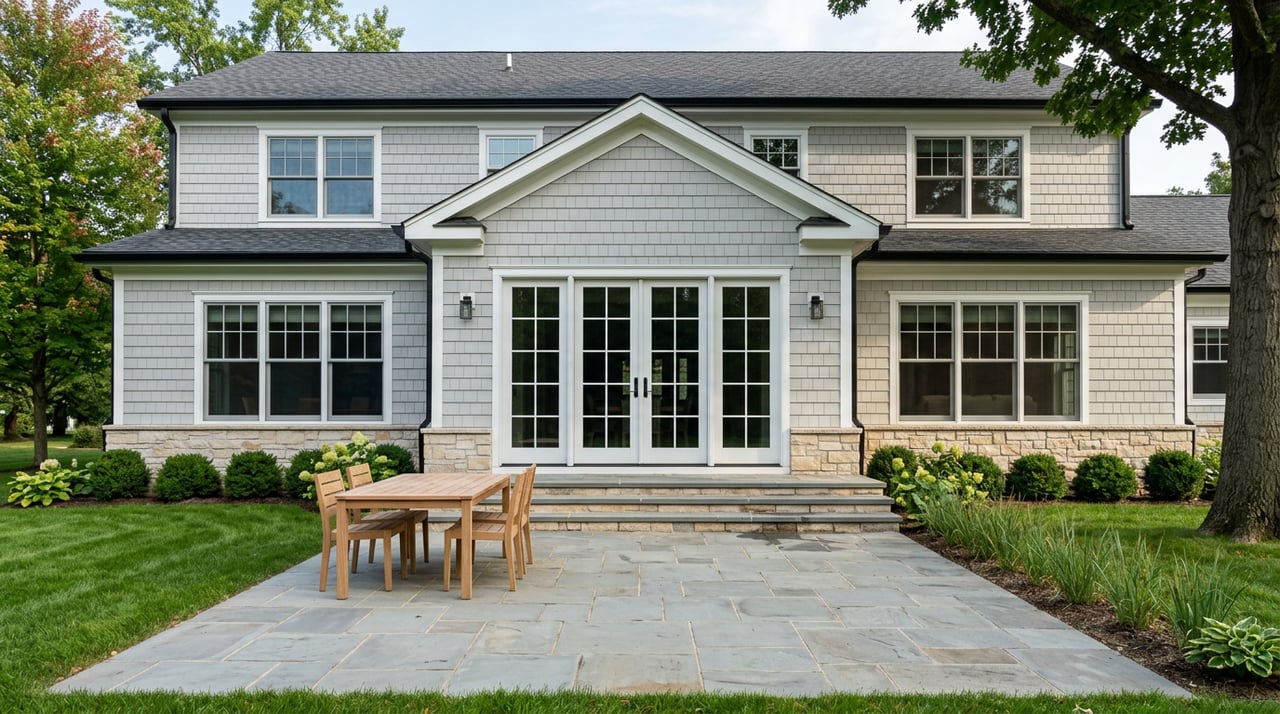
Builders are active near downtown with infill townhomes, including communities like Phoenixville Heights by Lennar. These homes emphasize walkability to restaurants and the Schuylkill River Trail, modern layouts, and low-maintenance living with an HOA. Pricing in 2025 to 2026 for similar products has generally clustered from the low 400s to the mid 600s depending on plan and lot. Explore a sample community at the builder’s page for Phoenixville Heights by Lennar.
Your monthly number should include mortgage principal and interest, property taxes, homeowners insurance, any HOA dues, and utilities. Phoenixville taxes combine county, municipal, and school district components. Use these official pages to pull current rates and convert millage to dollars:
HOA dues for townhomes often sit in the low-hundreds per month and can cover lawn care, snow removal, some exterior upkeep, and common-area insurance. Always request the budget, CC&Rs, reserves, and resale disclosures to see exactly what is included. For a quick primer on how HOAs work and what dues may cover, review this plain-English HOA overview.
New homes are typically delivered with a builder warranty and a homeowner orientation. Even so, schedule independent inspections before settlement and get the warranty terms in writing. Builders may offer closing-cost incentives that help cash at closing, but they rarely change the long-term monthly cost. For an example of builder warranty and community info, see Lennar’s community page.
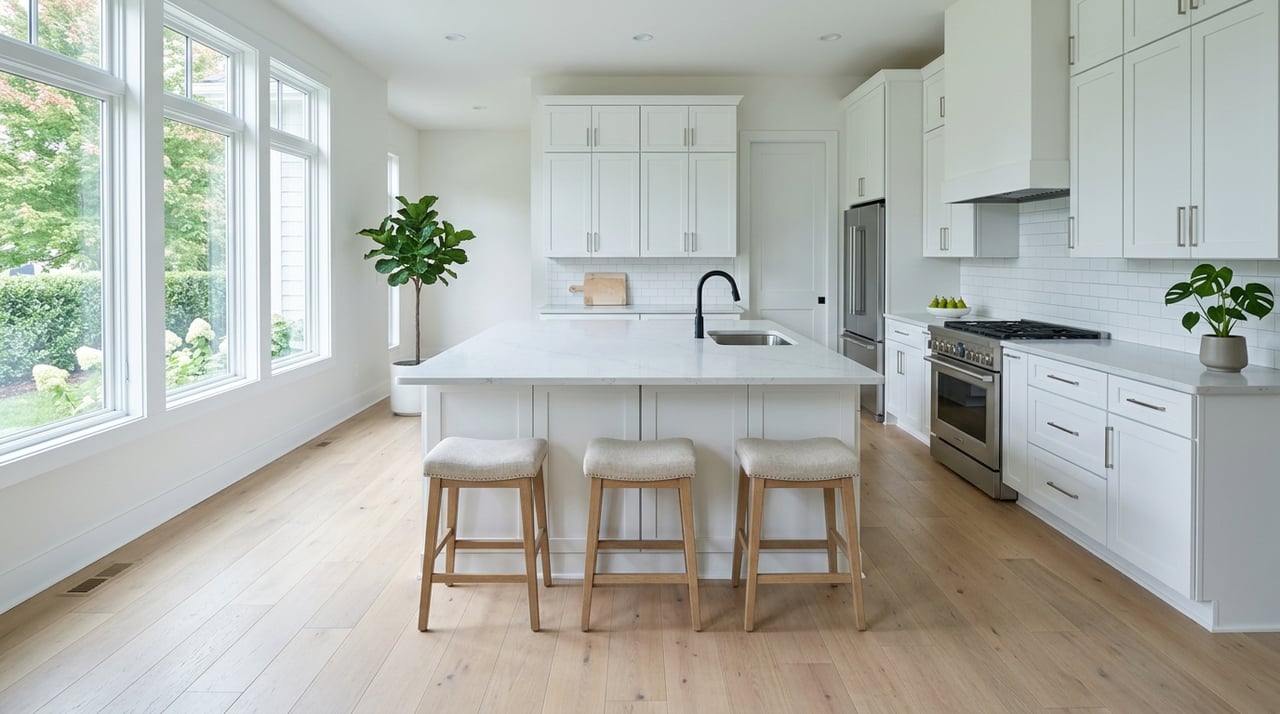
New homes are built to current codes and usually include modern windows, insulation, and HVAC. That often means lower early maintenance and more predictable utility costs compared with many older properties.
Phoenixville’s downtown and neighborhoods around the Phoenixville Downtown Historic District feature Victorian, Colonial, and early 20th-century homes with distinctive details and walkable access to shops and dining. Some properties outside the borough core offer larger lots and mature trees. If you plan exterior changes in the historic district, review local guidance and renovation considerations in the borough’s adopted comprehensive plan and design references.
| Factor | New construction in town | Older homes in and around Phoenixville |
|---|---|---|
| Up-front costs | Price varies by plan and lot. Builders may offer closing-cost help. | Price varies by condition and location. Fewer incentives, but you may find value in dated homes needing updates. |
| Monthly fees | Mortgage, taxes, insurance, plus HOA dues that lenders count in ratios. | Mortgage, taxes, insurance. No HOA in most cases. Budget extra for near-term repairs. |
| Maintenance | Lower early maintenance, builder warranty coverage. | Higher short-term risk for roofs, HVAC, wiring, windows. Plan 1 to 2 percent of price yearly. |
| Outdoor space | Smaller private yards, shared common areas. | Often larger yards outside the borough core. |
| Historic rules | Typically none beyond HOA and municipal code. | Possible historic district guidelines on exterior changes. |
| Commute and transit | Walkable to downtown. SEPTA Route 99 bus to Norristown Transportation Center for rail transfers. See DVRPC transit info. | Varies by address. Many locations are car-centric. Check bus access if you rely on transit. |
| Flood and site history | Newer sites may have special permitting history. Review disclosures and verify flood maps. See the borough plan. | For creek or river-adjacent areas, carefully confirm FEMA flood zone, insurance needs, and any past claims. |
| Resale considerations | Broad appeal for turn-key convenience and walkability. HOA health matters to buyers and lenders. | Character and lot size can be strong draws. Condition and energy efficiency affect days on market. |
Use this simple formula for any Phoenixville property:
To estimate the property tax piece:
If you are comparing a new townhome to an older single-family home, the most common differences are HOA dues on the townhome and a larger maintenance reserve for the older home.
If you want modern systems, predictable early maintenance, and walkable convenience, a new townhome in Phoenixville may fit well. If you value architectural character, potential for larger lots, and the freedom to improve over time, an older home can be a great match. Both paths work if you align the choice with your monthly budget, maintenance comfort, and commute needs.
Ready to compare real homes side by side and run true monthly numbers? Connect with John Bell for local guidance and a clear plan tailored to your goals.
Stay up to date on the latest real estate trends.
Get assistance in determining current property value, crafting a competitive offer, writing and negotiating a contract, and much more. Contact John today so he can guide you through the buying and selling process.