Thinking about a move to Glen Mills but not sure how the commute, daily routine, or home search will play out? You want space and quiet without giving up access to Philadelphia or Wilmington. This guide gives you a clear picture of what life looks like here, from typical drive times to nearby conveniences, housing styles, and a step-by-step plan to shortlist homes with confidence. Let’s dive in.
Commute overview
Glen Mills sits in the southwest suburbs near the Pennsylvania–Delaware border. Many residents commute to Center City Philadelphia or Wilmington, and most drive. You can expect about 30 to 60+ minutes by car to Center City and about 25 to 45 minutes to Wilmington, depending on traffic and your exact start and end points. Timing varies a lot during morning and evening peaks, so plan for some buffer.
Driving routes and timing
- Primary connectors include I-476 (the Blue Route), U.S. Route 1, and Route 202. These feed into I-76, I-676, and I-95 for city access.
- Peak periods see heavier congestion on I-476 and the major interstates. If your schedule is flexible, leaving earlier or later can shorten your drive.
- For jobs north or west of the city, the Route 202 corridor is useful, including access toward King of Prussia and Exton.
Regional rail and park-and-ride
- SEPTA’s Media/Wawa Line serves Center City. Many Glen Mills residents drive to stations such as Wawa, Media, or Elwyn, then park and ride.
- For Wilmington or points south, some commuters drive to Wilmington’s train stations and connect by rail if that fits their schedule better.
- Station parking rules and availability vary. Check current schedules and parking details when planning.
Bus and car-light options
- Local bus coverage in Glen Mills is limited compared with denser suburbs. Express bus options to Center City are less common.
- If you want to reduce driving, look near village centers or plan a mixed-mode commute with regional rail.
Commute planning tips
- Test your route at weekday peak times, both inbound and outbound, to confirm realistic door-to-door timing.
- Compare station options for the Media/Wawa Line to see which balance parking, schedule, and drive time.
- Ask your employer about flexible hours or remote days to manage variability.
Daily conveniences and lifestyle
Glen Mills leans suburban and semi-rural. You’ll find most daily shopping and services along the Concordville corridor and the Route 1 and Route 202 corridors. Expect short drives for essentials and more of a spread-out feel than a tight, walkable downtown.
Grocery, retail, and healthcare
- Supermarkets, pharmacies, gas, banks, and big-box retail are clustered along Route 1 and Route 202.
- Most basics are within a 5 to 15 minute drive from many neighborhoods.
- Hospital systems and urgent care clinics are located in nearby suburbs, with broader choices in Wilmington and Philadelphia.
Schools and community services
- Public school assignments depend on your exact address. Always verify district boundaries and assigned schools directly with the district.
- Libraries, community centers, and parks are available in surrounding townships. You can access regional trails and open spaces for walking, biking, and other recreation.
- If schools are a priority, confirm school lines, enrollment requirements, and transportation details before shortlisting homes.
Lifestyle expectations
- Glen Mills is primarily car-dependent. If you want to walk to shops or dining, target homes near small village centers.
- The area offers a suburban and, in parts, rural character with single-family homes on medium to larger lots.
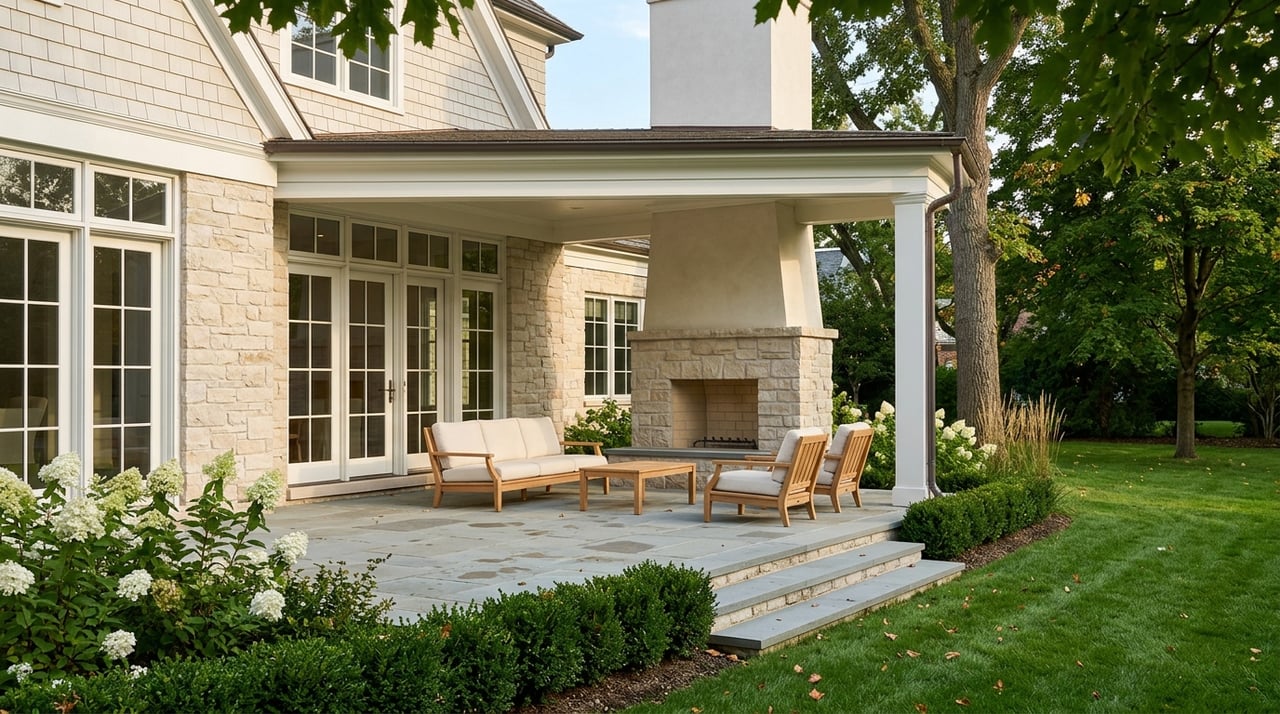
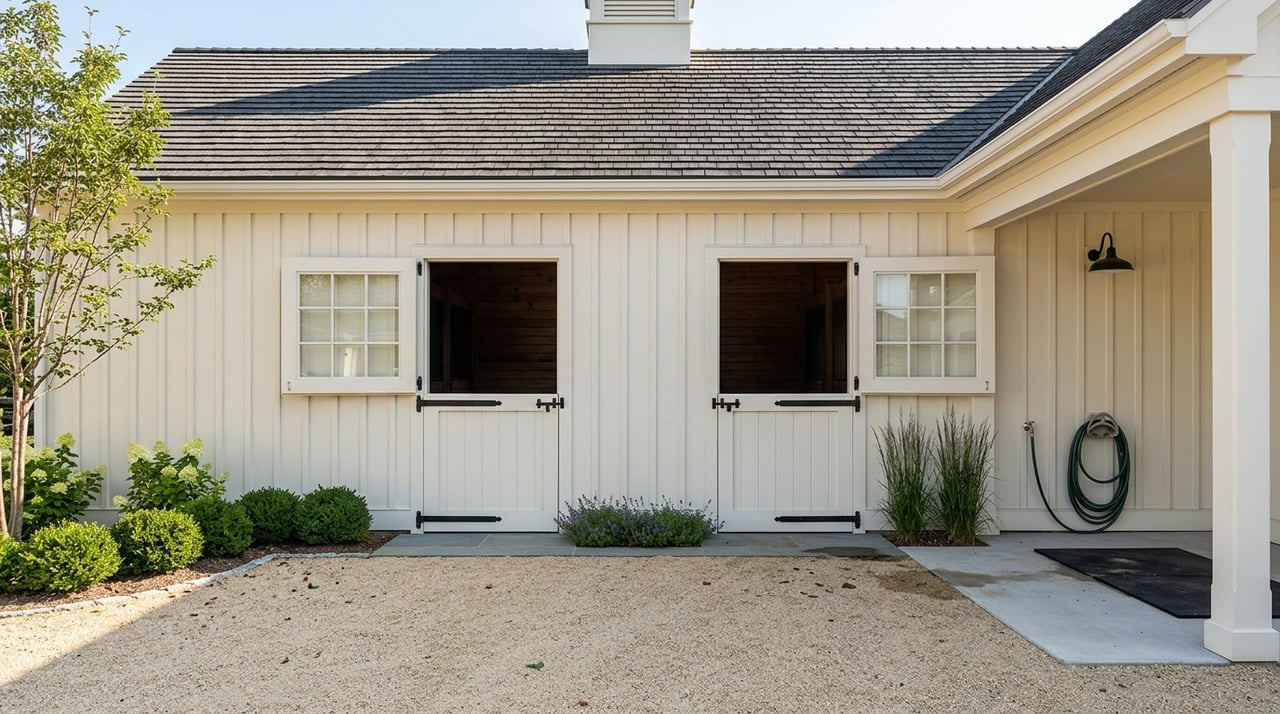
- On the outskirts, you can find properties with room for hobbies such as gardening or horseback riding, subject to zoning.
Housing and neighborhoods
You’ll see a mix of home styles, ages, and lot sizes. This variety lets you choose between historic character and newer construction, with different maintenance profiles and neighborhood settings.
Typical home styles and lots
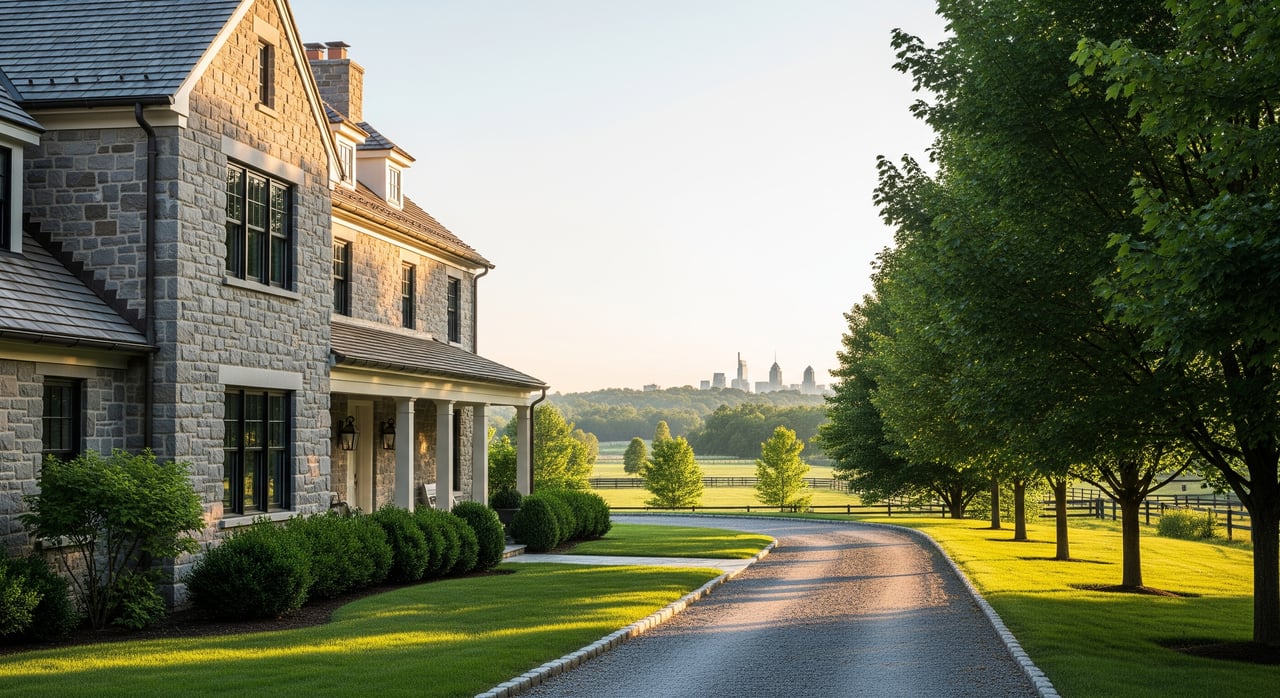
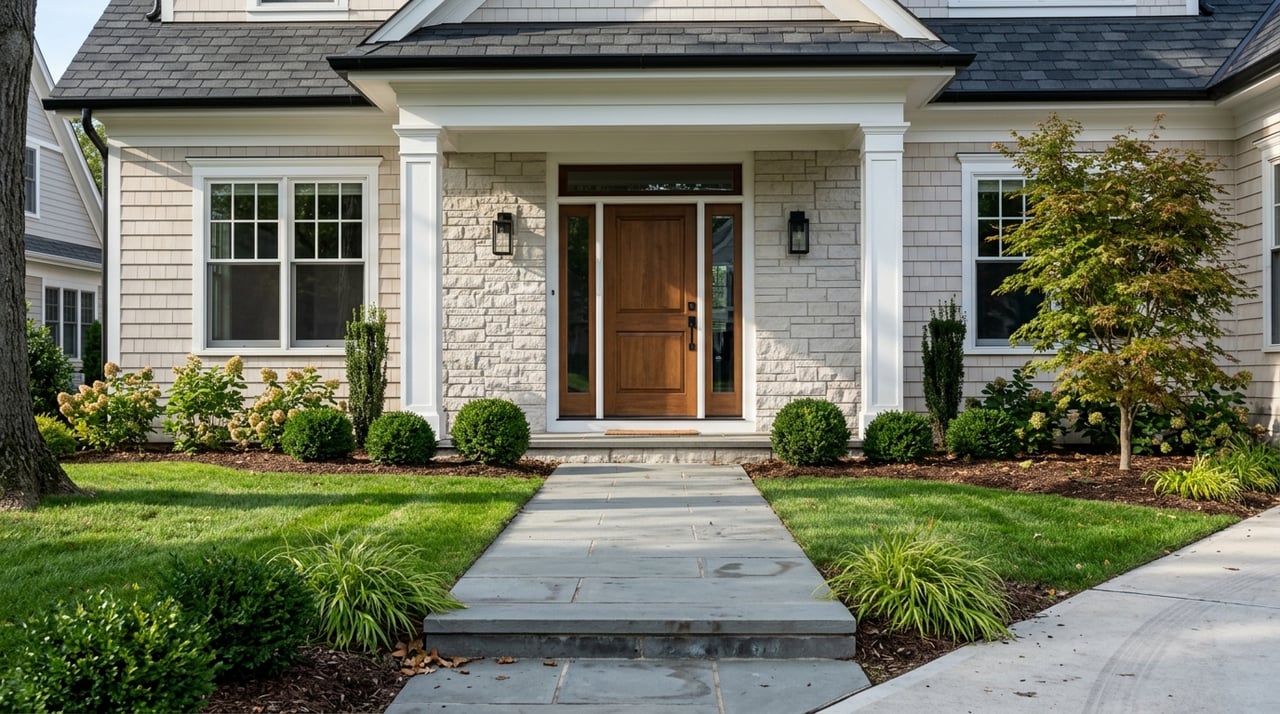
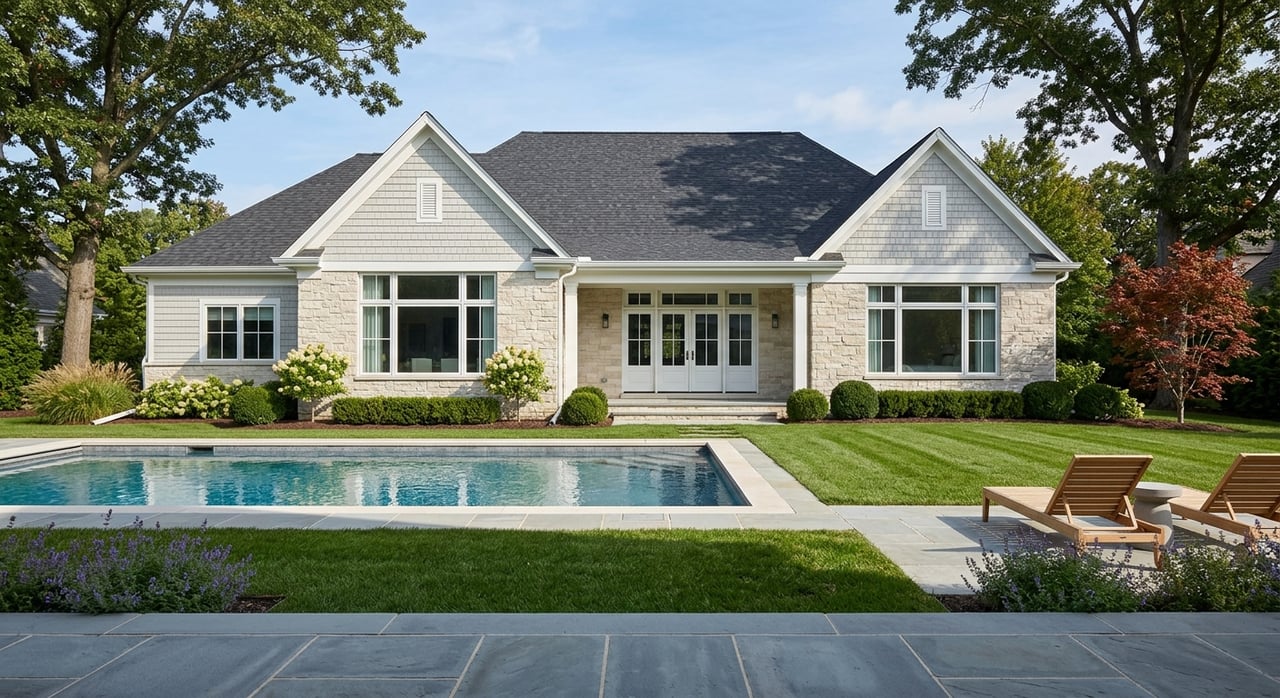
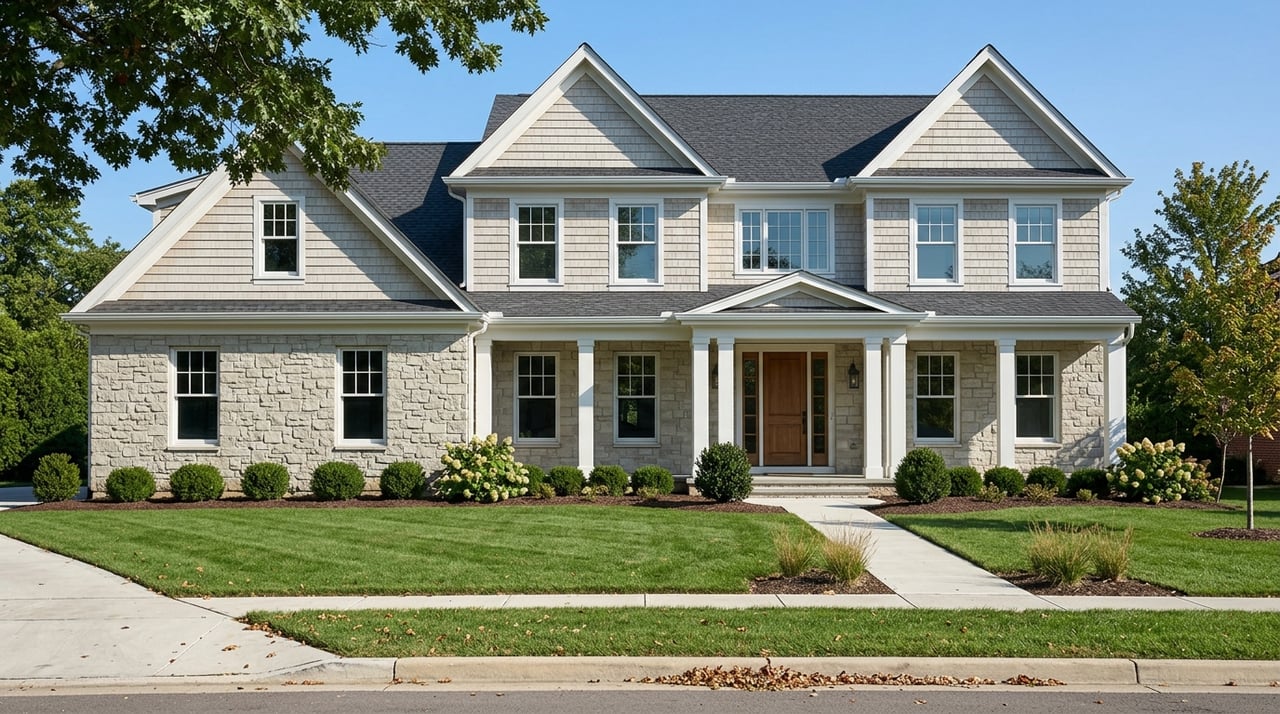
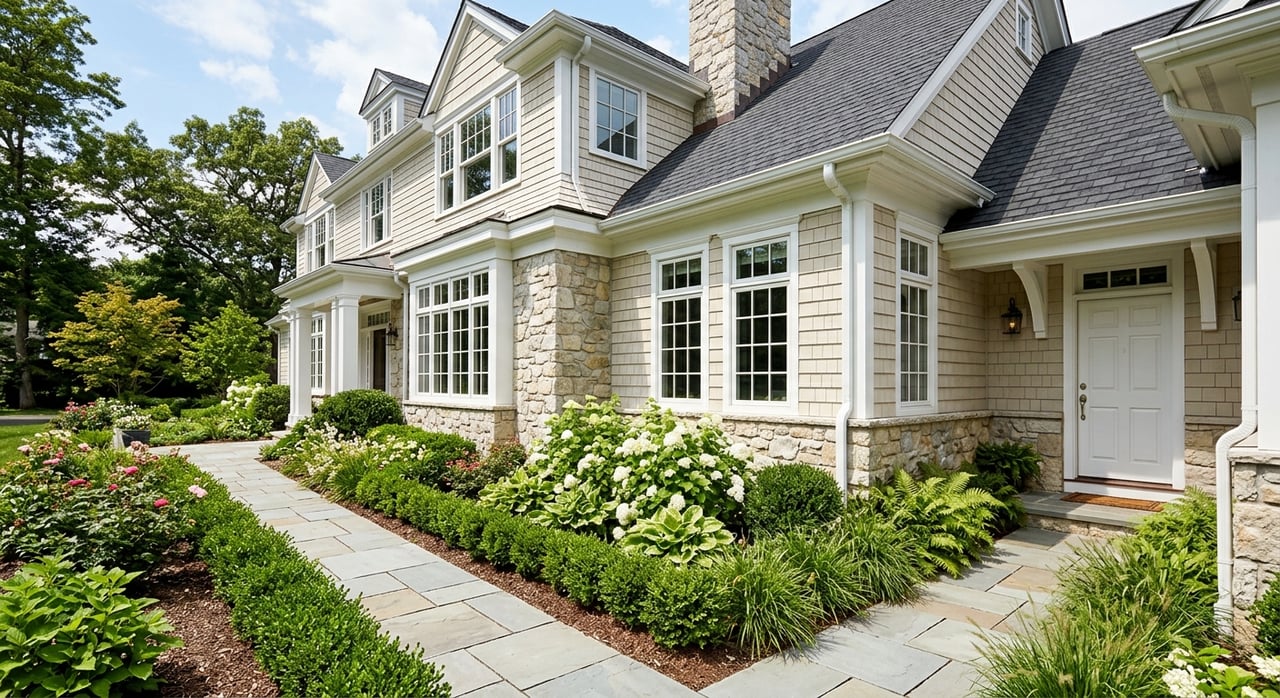
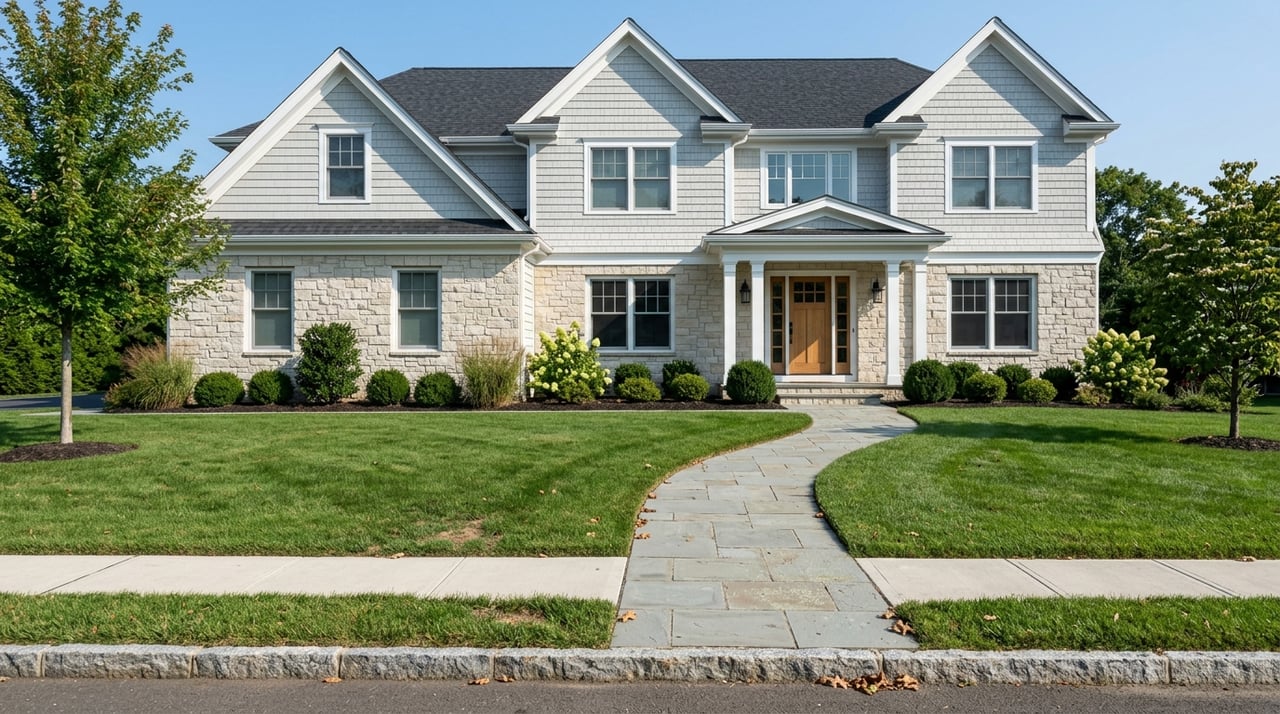
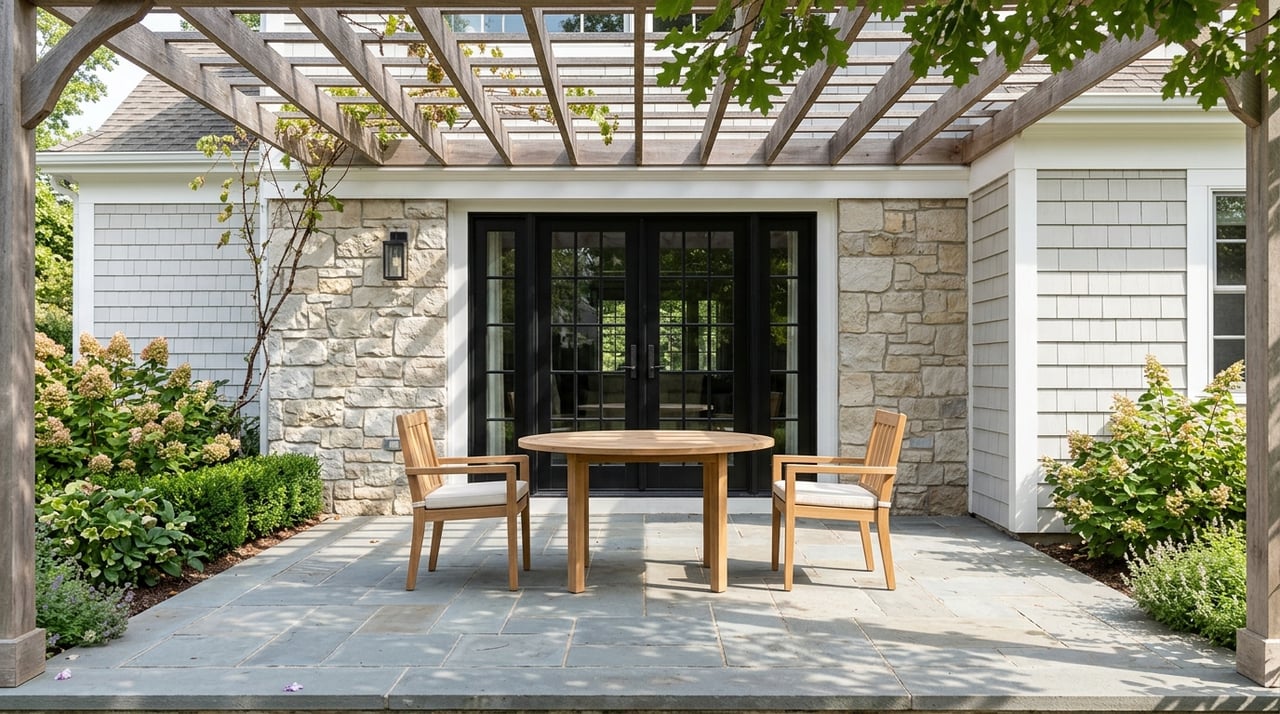
- Common styles include Colonials, Cape Cods, ranches, and split-levels. Newer subdivisions are present, and you’ll also find older stone farmhouses on earlier parcels.
- Many lots range from roughly a third of an acre to an acre. Larger parcels and small-acreage properties exist in select areas.
- Newer developments may have smaller lots with HOA amenities. Older homes often sit on larger parcels with mature landscaping.
Neighborhood distinctions
- Thornbury and Glen Mills generally feel quieter and lower density, with a mix of established neighborhoods and newer communities.
- Homes closer to Route 1 and the Concordville corridor offer shorter drives to shopping but more traffic and commercial activity.
- If you want equestrian uses or agricultural space, confirm zoning, setbacks, and any neighborhood restrictions.
Property condition and utilities
- Older homes may need updates to systems like HVAC, electrical, and plumbing. A thorough inspection is important.
- Some properties use septic systems. Always confirm sewer availability, septic inspection requirements, and well details if applicable.
- If a property is near a creek or low-lying area, review FEMA flood maps and local conservation resources. Insurance needs can vary by location.
How to shortlist with confidence
Relocation buyers succeed with a clear, repeatable process. Use this framework to narrow your search and make confident decisions.
Step 1: Define must-haves
- Commute tolerance: maximum acceptable drive or rail time and how much variability you can handle.
- School priorities: target districts and non-negotiables to verify with official maps.
- Property needs: beds, baths, lot size, garage, basement, and special uses like workshop or stables.
- Lifestyle: preference for quiet, proximity to shopping, or newer community amenities.
Step 2: Map commute and amenities
- Draw 15, 30, 45, and 60-minute drive-time rings from your workplace.
- Mark regional rail stations and commuter lots you would actually use.
- Plot grocery, medical, daycare, and other essentials to keep your daily drives reasonable.
Step 3: Verify municipal and utilities
- Confirm school district lines and assigned schools with official district maps.
- Check township zoning for permitted uses, including equestrian or accessory structures.
- Verify public water and sewer availability, and note any septic requirements.
- Review property tax rates and recent assessments on county parcel pages.
Step 4: Study market signals
- Review recent comparable sales and days-on-market to judge competitiveness.
- Look at inventory levels in your target price band and neighborhood type.
- If safety is a decision factor, consult official police and community sources.
Step 5: Plan remote and in-person tours
- For remote previews, request virtual walk-throughs and neighborhood drive-by videos at commute times.
- For in-person visits, schedule drive-bys during rush hour, attend open houses, and plan a half-day neighborhood tour.
- Bring an inspection-oriented checklist: roof age, major systems, water and sewer type, cell coverage, noise sources, sun orientation.
Step 6: Complete professional checks
- Line up a local home inspector and specialists as needed, such as septic, well, structural, or pest.
- Confirm insurance availability and costs, including flood coverage if applicable.
- If a home has an HOA, review the documents for fees, rules, and architectural controls.
Touring plan for relocation buyers
When you have only a day or two on the ground, structure your time to see both homes and context. Start with a neighborhood orientation loop that shows key routes like I-476, Route 1, and Route 202, then visit the nearby rail stations you would use. Next, tour shortlisted homes in clusters, spacing them to avoid peak traffic when possible. Finish near your likely morning route so you can do a test drive at the start of the next day.
For remote phases, pair virtual home tours with short videos that capture street character, yard slopes, overhead utility lines, and traffic patterns. That context helps you compare homes across different Glen Mills pockets with more confidence.
Next steps and how we help
Relocating to Glen Mills works best when your plan reflects the commute you will actually drive, the services you will actually use, and the property type that fits your lifestyle. Focus your search on neighborhoods that meet your timing, utility, and zoning needs, then use inspections and documentation to remove surprises before you write an offer.
If you want experienced, local-first guidance, connect with the team that knows the Thornbury and Concordville corridors well. For a calm, efficient search that fits your timeline, reach out to John Bell to get a personalized Glen Mills relocation plan.
FAQs
Is rail commuting to Center City realistic from Glen Mills?
- Yes, many residents drive to a nearby Media/Wawa Line station such as Wawa, Media, or Elwyn and use park-and-ride. Direct rail without a short drive is less common.
Will I need a car for daily life in Glen Mills?
- Most households use a car for daily errands and commuting. Some village-center pockets are more convenient, but the area is generally car-dependent.
How do I confirm my school district when buying in Glen Mills?
- Verify directly with the school district’s official boundary maps and enrollment office for your specific address before making a decision.
Are there equestrian or small-acreage properties near Glen Mills?
- Yes, select areas allow horses and larger parcels. Always confirm township zoning, setbacks, and any neighborhood restrictions before you buy.
What inspections should I plan for with older homes in Glen Mills?
- Expect a full home inspection and consider specialists for HVAC, electrical, plumbing, septic or well, structural, and pest based on the property’s age and systems.
How long is the drive to Wilmington from Glen Mills during rush hour?
- Typical driving time is about 25 to 45 minutes, depending on your exact start and end points and traffic conditions.