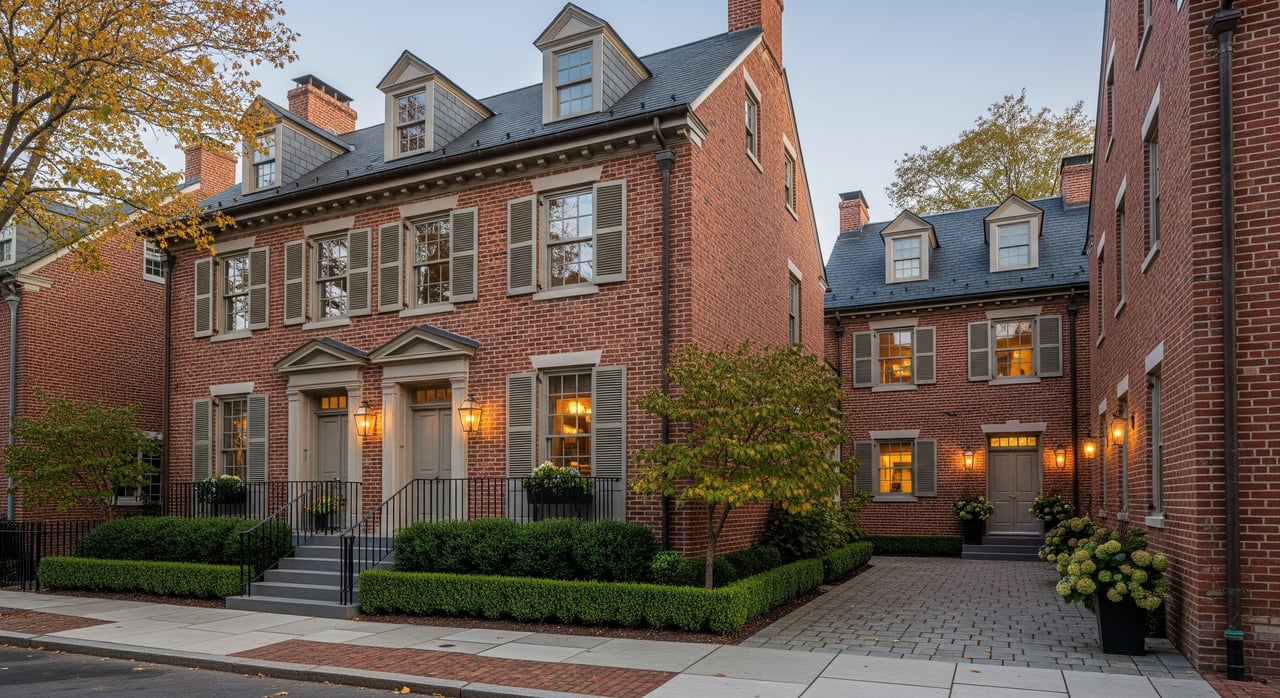
Kennett Square Rental Market Strategies for Small Investors
January 1, 2026
January 1, 2026
Thinking about buying a small rental in Kennett Square but not sure where to start? You are not alone. Between changing rents, seasonality, and local rules, it can be hard to see the full picture. This guide gives you clear rent ranges, the key drivers of demand, how to think about vacancy, and a simple cash flow framework you can use today. Let’s dive in.
Kennett Square sits in Chester County within reach of Wilmington and Philadelphia, which draws commuters who value a manageable drive and a small‑town feel. The borough’s downtown, restaurants, and events add to lifestyle appeal. Tourism, especially Longwood Gardens, supports steady hospitality and retail jobs that keep demand consistent through the year.
Supply also matters. Like many older Chester County towns, there is limited purpose‑built multifamily housing in highly desirable spots. When quality rentals come to market, they tend to lease quickly, and well‑located, updated units can command premium pricing.
Treat these as approximate mid‑2024 starting points. Always confirm with fresh local comps before you buy.
Submarket nuance: The borough’s walkable core often earns a higher price per square foot for smaller, renovated homes and apartments. Surrounding townships like Kennett Township, East Marlborough, and New Garden skew toward larger single‑family homes with higher absolute rents for 3+ bedrooms, but lower rent per square foot.
Expect stronger leasing from May through September. More tenants shop during late spring and summer, so days on market can be shorter and rents firmer. Late fall and winter typically bring longer marketing times and may require concessions, especially for smaller units.
For underwriting, many small‑town suburban markets pencil a 5 to 10 percent vacancy allowance as a conservative baseline. Your actual experience will depend on price, condition, and how you time lease expirations relative to peak season.
You will see a mix of local workers in hospitality, retail, agriculture, and services who often want 1–2 bedroom units. Commuters to Wilmington or Philadelphia commonly seek 1–3 bedroom homes or townhomes. Families drawn to suburban neighborhoods tend to focus on 2–4 bedroom single‑family homes. Professionals and retirees often prefer low‑maintenance options near downtown amenities.
Typical leases run 12 months. You may find occasional 6 or 9‑month demand from corporate or relocating tenants. Amenities that justify higher rent in this area include off‑street parking, in‑unit laundry, updated kitchens and baths, central air, and usable outdoor space. In the borough, walkability and proximity to dining and shops are meaningful value drivers.
Confirm Kennett Square Borough and township requirements for rental registration, inspections, and occupancy limits before you list. If you consider short‑term rentals, check local ordinances first, since rules vary and can change. Review Pennsylvania landlord‑tenant statutes for security deposits, handling timelines, and eviction procedures. When in doubt, consult an attorney experienced in Chester County rental housing.
A clear framework keeps your underwriting honest and comparable across properties.
Run three scenarios, conservative, base, and optimistic, changing rent, vacancy, and interest rates. For all‑cash deals, compare cap rates by dividing NOI by purchase price. Many small investors target positive monthly cash flow and a reasonable cash‑on‑cash return, then adjust for personal risk tolerance.
If you favor smaller units or value walkability, focus on the borough or near‑downtown locations where per‑square‑foot rents can be stronger. If you want longer‑term family tenants and larger homes, look to nearby townships where 3+ bedroom single‑family homes are common. In both cases, condition and thoughtful updates matter more than anything else for rentability and retention.
Tourism can lift demand for short‑term rentals, but the model requires hands‑on management, frequent turnover, and a close read of local rules. If this is part of your strategy, verify borough and township ordinances and consider higher management costs before you underwrite any purchase on a short‑term assumption.
If you want practical, local guidance on Kennett Square rentals, our team has decades of experience helping area owners and investors buy, sell, and optimize small holdings. We can help you pull accurate comps, pressure‑test your underwriting, and connect you with trusted local vendors. When you are ready, connect with John Bell to discuss your goals and next steps.
Stay up to date on the latest real estate trends.




Get assistance in determining current property value, crafting a competitive offer, writing and negotiating a contract, and much more. Contact John today so he can guide you through the buying and selling process.