West Chester Borough vs Township: Housing & Lifestyle
November 21, 2025
November 21, 2025
Trying to pick between a charming porch near downtown West Chester and a bigger yard in the surrounding townships? You are not alone. Early in your search, it helps to understand how housing, lot sizes, rules, and day-to-day life differ across the borough and nearby townships. This guide breaks it down so you can match your priorities to the right setting and move forward with confidence. Let’s dive in.
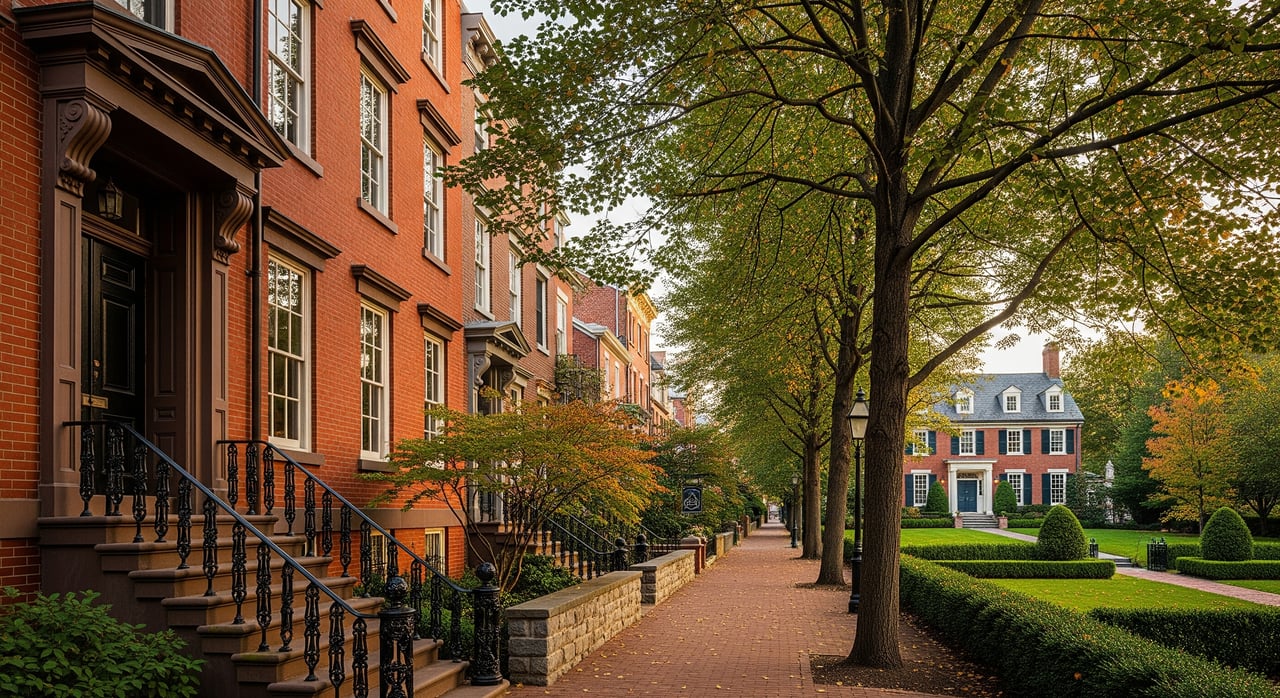
Many borough properties date to the late 19th and early 20th centuries. You see architectural character, brick facades, and details that give the area its charm. Smaller lots are common, and some homes have little to no private yard space. If you love being close to dining, shops, and events, this can be a great fit. Just plan for potential maintenance on older systems and finishes.
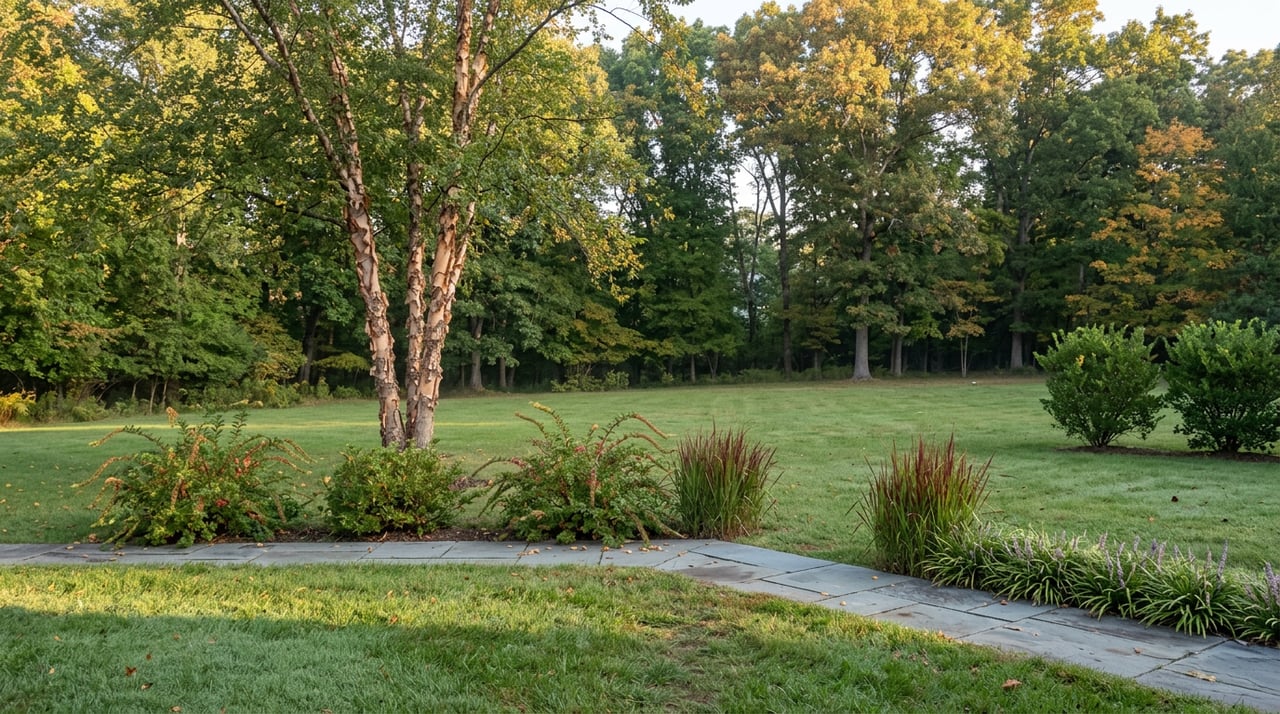
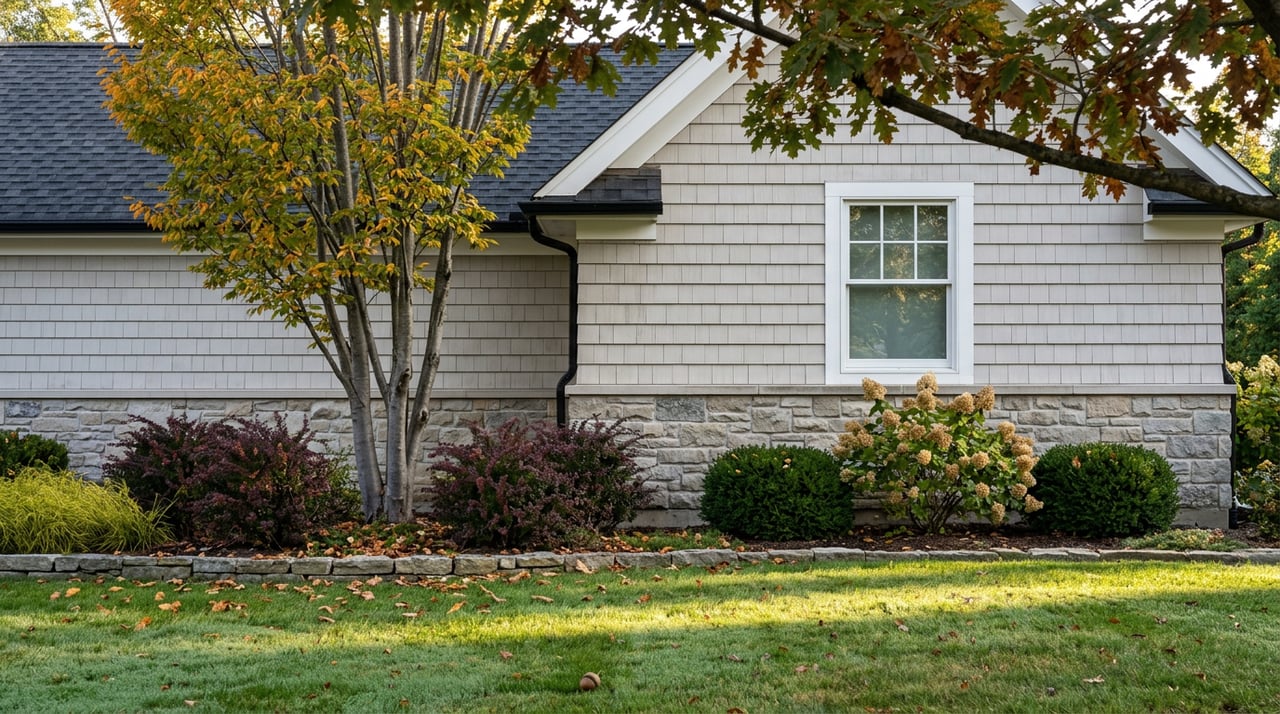
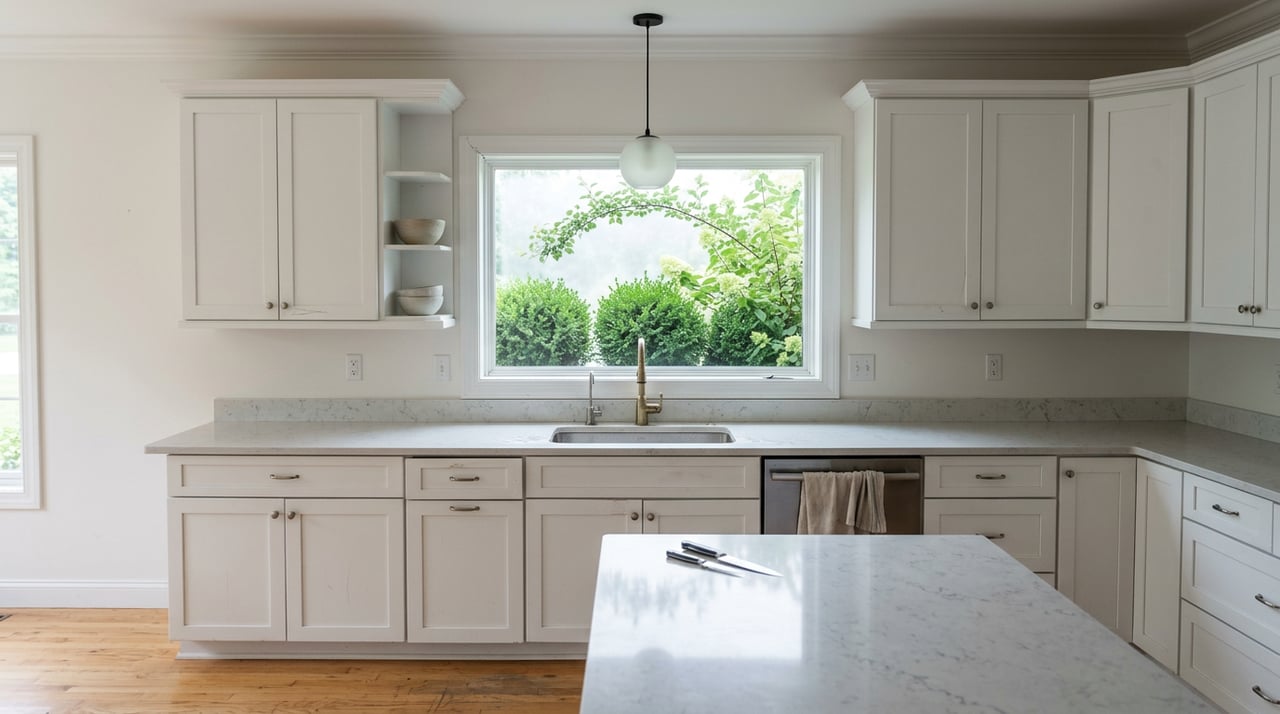
The townships surrounding West Chester include a broad mix, from mid-century houses to 1980s–2000s subdivisions and newer builds. Homes tend to be larger, with more bedrooms and modern floor plans. Lots are bigger, so you gain outdoor space for play, gardens, or future additions. The tradeoff is that you will rely more on a car for errands and commuting.
Walkability is the borough’s calling card. Sidewalks, municipal services, parks, and a lively downtown core are close for many homes. In the townships, neighborhood walkability varies and is often limited to local loops or trails. Plan on driving for groceries, school activities, and most appointments.
Transit options cluster around the borough, including bus routes and regional connections. Township residents typically commute by car and focus on access to major roads or park-and-ride options. If you rely on transit, proximity to borough stops can matter. If you drive, a private garage and driveway in the townships can simplify daily routines.
In the borough, expect on-street parking, municipal lots, and potential residential permit zones. Streets are narrower and busier. In the townships, garages and driveways are standard, and cul-de-sacs are common. If you own multiple cars or host frequent guests, the township setup can be easier.
Parts of the borough fall within a designated historic district. Exterior changes, additions, and certain materials may require review. Smaller lots and setback rules limit expansions, so many projects are interior-focused. Build in extra time for approvals and confirm what is allowed before you buy.
Townships may have agricultural or conservation overlays that guide density and open space. Larger lots and residential zoning typically offer more options for additions, accessory structures, and expanded footprints. Still, every township has its own permit process and dimensional standards, so verify setbacks and lot coverage early.
Property taxes combine county, school district, and municipal millage. Rates differ by municipality, which can change your overall carrying cost from one side of a boundary to the other. Some township neighborhoods include homeowners’ associations that fund shared amenities and maintenance. Factor dues, utilities, and yard care into your monthly budget alongside your mortgage.
The borough often attracts professionals, downsizers, and buyers who value proximity to downtown, while the townships draw families who want space, yards, and garages. Both settings can hold value. Your resale outlook will depend on who you expect to sell to next and how your home aligns with their priorities.
School district reputation weighs heavily for many buyers in suburban markets. Boundaries can cross municipal lines, and assignments can vary from street to street. Always verify the specific school assignments for a property during your search and consider how that may influence future resale.
Rental demand is typically stronger near the borough core due to access to jobs, amenities, and transit. Short-term rentals can be subject to local licensing and limits. Townships often support steady long-term rentals, with fewer short-term options. If you plan to rent, check ordinances and neighborhood norms before you commit.
Choosing between the borough and the townships is easier when you have local guidance. With four decades of experience across the West Chester corridor, our team helps you weigh lot size, renovation potential, taxes, school assignments, and resale timing for the neighborhoods on your shortlist. We coordinate the details that matter, from contractor referrals and staging to pricing strategy and negotiation.
If you are comparing locations around West Chester and want a clear plan, connect with John Bell for client-first guidance and a smooth path to your next home.
Stay up to date on the latest real estate trends.
Get assistance in determining current property value, crafting a competitive offer, writing and negotiating a contract, and much more. Contact John today so he can guide you through the buying and selling process.