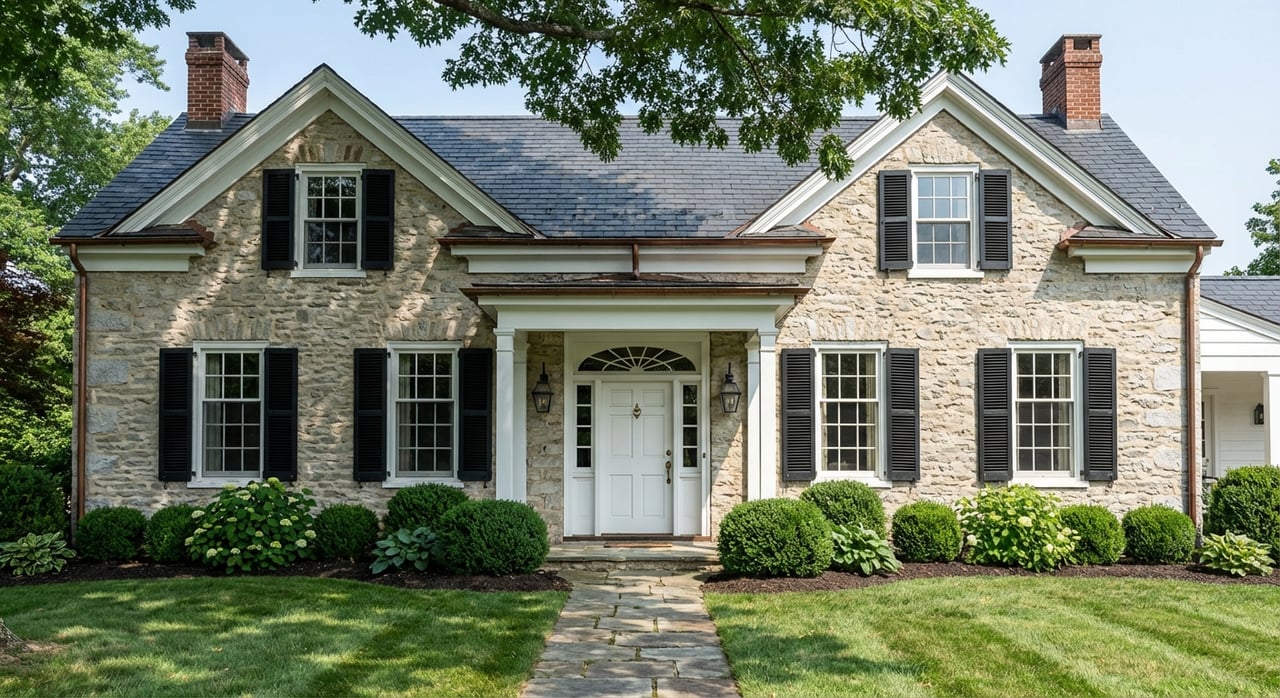
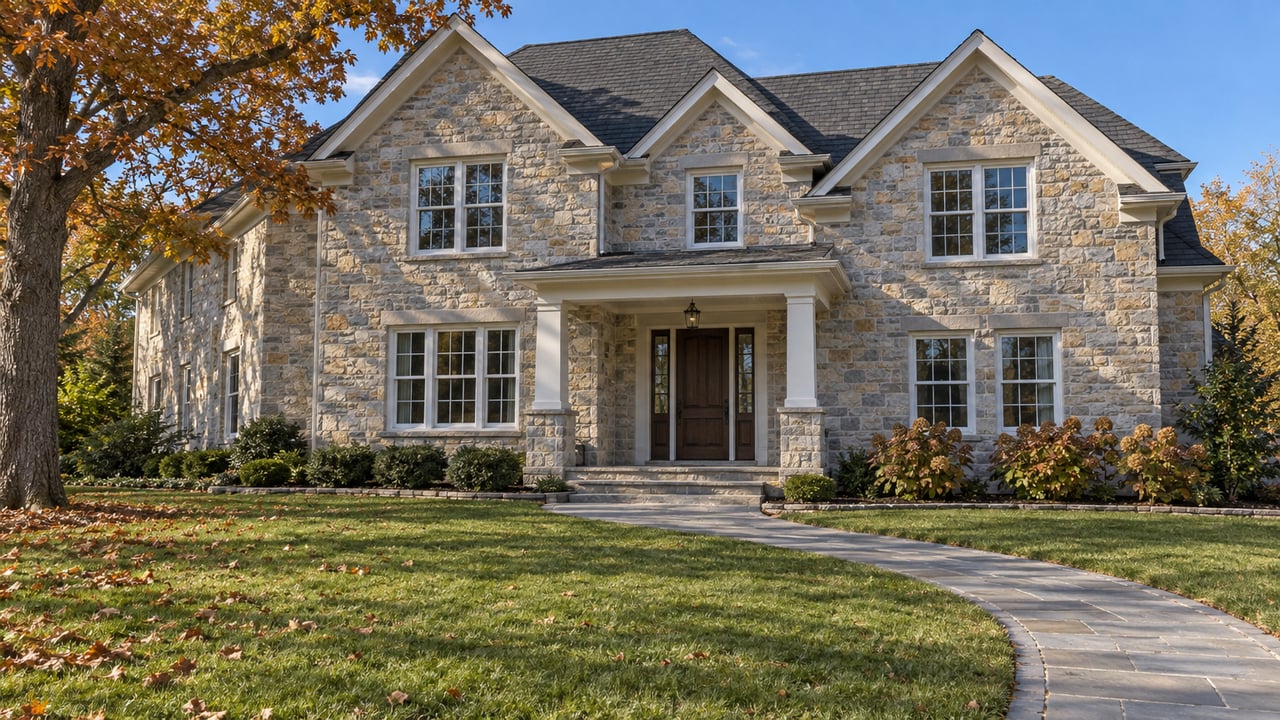
Thinking about selling your historic or character home in Kennett Square? You know it is special, and you want buyers to see that. The path to a strong sale price is a bit different for older homes, especially if your property sits inside a historic district or has protected features. In this guide, you will learn how to confirm your home’s historic status, plan repairs that protect value, meet disclosure and permitting rules, and market to the right buyers without delays. Let’s dive in.
Confirm historic status and local review
Before you plan repairs or set a timeline, confirm where your property sits and what rules apply. Kennett Square’s walkable town center is a borough with its own processes. Nearby addresses can fall in Kennett Township, East Marlborough Township, or other municipalities, each with separate procedures and meeting calendars.
- Start by confirming jurisdiction with the borough or township codes office. The borough’s contacts and forms are listed on the Kennett Square Building & Zoning page.
- Check whether your home is inside the Kennett Square Historic District and whether it is a contributing resource. You can review the district summary through this Kennett Square Historic District overview.
- Many Pennsylvania towns use a Historic Architectural Review Board, or HARB, to review exterior changes visible from the street, additions, and demolition. Learn how HARB and Certificates of Appropriateness work in Pennsylvania with this WeConservePA guide to local regulation.
If your property is outside the borough, visit your township’s historic resources pages. For example, East Marlborough shares its commission and Unionville HARB information at the East Marlborough Historical Commission site.
Tip: Ask the codes office 3 questions in your first one to two weeks of planning:
- Is my property inside a locally regulated historic district? 2) Is it a contributing building in the National Register district? 3) Will my planned pre-sale work require HARB review and a Certificate of Appropriateness?
Know your disclosures and permits
Pennsylvania requires most home sellers to complete a Seller’s Property Disclosure Statement that covers known material defects. Review the rule text to understand what belongs on the form using 49 Pa. Code § 35.335a.
Items that often matter for historic homes include:
- Past structural repairs or foundation movement
- Roof age and water-intrusion history
- Electrical, plumbing, and HVAC upgrades or known issues
- Underground tanks, asbestos, or known environmental hazards
- Past code violations or stop-work orders
If your home was built before 1978, federal law requires a separate lead-based paint disclosure packet. You must give buyers the EPA/HUD pamphlet, a lead warning statement, and any known test results. If your pre-listing repairs will disturb painted surfaces, the work must follow lead-safe practices. Learn the basics in the EPA Renovation, Repair, and Painting Rule overview.
Important: The seller disclosure is not the same as a building permit or a HARB Certificate of Appropriateness. If exterior work is visible from the street inside a regulated district, you typically need to apply for a COA and obtain approvals before starting the work.
Plan repairs that protect character
A thoughtful repair plan preserves value and keeps your timeline on track. Prioritize health, safety, and water first, then systems, then cosmetics.
- Start with the envelope. Address roof leaks, guttering, downspouts, grading, and foundation water intrusion.
- Tackle major systems. Update unsafe electrical, fix active plumbing leaks, and service or replace end-of-life HVAC.
- Protect historic fabric. When possible, repair rather than replace character-defining features like original windows, doors, moldings, and mantels. If replacement is required, match materials and profiles.
For guidance on appropriate treatments that balance preservation with practical use, review the Secretary of the Interior’s Standards for Rehabilitation. These standards are the common reference point for historic work in Pennsylvania. If your home is pre-1978, use EPA RRP-certified contractors for any paint disturbance and keep their documentation.
Pre-listing inspection and documentation
A seller-funded pre-listing inspection can surface issues early and reduce last-minute renegotiation. Many agents recommend it, and industry groups have noted it helps prevent canceled contracts. See why in REALTOR Magazine’s overview of pre-listing inspections.
Create a simple property binder or digital packet for buyers and appraisers. Include:
- Deed and legal description
- Past permits, certificates of occupancy, and any COAs or HARB approvals
- Restoration and repair invoices, with contractor info
- Warranties and service records for roof, HVAC, and major systems
- Historic designation paperwork or National Register nomination PDFs, if applicable
- Floor plans and historic photos
A clear packet builds trust, shortens due diligence, and highlights the value of authentic, documented features.
Appraisals, financing, and insurance
Historic homes often have fewer direct comps, which means appraisers make more qualitative adjustments. If your buyer uses FHA or VA financing, the appraisal will call out safety and code-related issues like peeling paint on pre-1978 homes or a roof near the end of its life. Clearing obvious conditions before listing can prevent delays.
Make it easy for the appraiser and buyer’s lender or insurer to say yes:
- Provide your documentation packet and a list of recent upgrades with dates and permits.
- Fix trip hazards, missing handrails, and active leaks.
- If you kept original windows, show records of weatherstripping, storm panels, or restoration. If you replaced systems, include specs and invoices.
Market to the right buyers
Your story should balance history and livability. Buyers of historic homes want authenticity plus reasonable comfort.
- Lead with verified facts. Construction date, builder or architect if known, notable past owners, and documented restoration work.
- Showcase comfort upgrades without erasing character. Highlight discreet insulation, efficient HVAC, or a sensitive kitchen or bath update that blends with the style.
- Use professional photography that captures details like millwork, hardware, fireplaces, and staircases, along with clear floor plans.
- Reach niche audiences. In addition to MLS, share the listing with local historical groups and community channels. The Kennett Collaborative is a good pulse on downtown events and audiences that value place.
- Consider a guided open house focused on the home’s history. A short handout with a timeline and key features can help buyers see the value.
Tax credits and income options
If your property could be converted to an income-producing use that is allowed by local zoning, state and federal incentives may apply. Pennsylvania offers a Historic Preservation Tax Credit for qualified income-producing rehabilitations, administered by DCED with PHMC. Learn the basics and application windows on the PA Historic Preservation Tax Credit program page.
The federal Rehabilitation Investment Tax Credit equals 20 percent of qualified expenses for certified rehabilitations of income-producing historic buildings. Both programs require upfront planning and strict standards. They typically do not apply to owner-occupied single-family homes. If you think your property might qualify for an income conversion, consult DCED or PHMC and speak with a tax professional early.
6–18 month checklist and timeline
Use this sequence to protect value and avoid surprises.
Weeks 0–2
- Confirm municipal jurisdiction and whether your home is subject to HARB or COA review. Start with the Kennett Square Building & Zoning page or your township’s codes office. If you are near Unionville, review the East Marlborough Historical Commission resources.
- Assemble your documentation packet: deed, permits, COAs, restoration invoices, warranties, floor plans, and historic photos.
- Discuss strategy with an agent who has experience with historic or character homes.
Weeks 2–6
- Order a pre-listing inspection and any specialty tests you need, like radon, well, septic, or lead testing. Here is context on why many agents recommend it: pre-listing inspection overview.
- Prioritize repairs. Address roof leaks, water entry, unsafe wiring, and plumbing issues first.
- If exterior work is visible from the street and you are in a regulated district, submit your HARB application and materials early to obtain a COA.
- For any work that disturbs paint in a pre-1978 home, hire EPA RRP-certified firms and keep their records. Review the EPA RRP rule summary.
Weeks 6–12
- Complete repairs and maintenance.
- Finalize your documentation packet and create a simple features timeline for marketing.
- Schedule professional photography and floor plans.
- List only after required approvals and permits are in hand.
Ready to sell your Kennett Square historic home?
You deserve a strategy that respects your home’s character and brings qualified buyers to the table. From confirming HARB requirements to crafting a marketing plan that balances history and comfort, our team helps you move from preparation to a smooth closing with confidence. If you are planning a sale in the next 6 to 18 months, connect with John Bell to talk timing, pricing, and next steps.
FAQs
What is HARB review in Kennett Square and how does it affect sellers?
- Many Pennsylvania municipalities use a HARB to review exterior changes visible from the street in designated historic districts, so if your home is inside one, plan for a Certificate of Appropriateness before doing visible work and build that time into your sale timeline.
Do I need to disclose lead paint when selling a pre-1978 home in Pennsylvania?
- Yes, federal rules require a lead warning statement, delivery of the EPA/HUD pamphlet, and disclosure of any known test results, and buyers are allowed a lead inspection period.
Can I demolish a contributing structure inside the Kennett Square Historic District?
- Demolition in regulated districts is often restricted and can trigger additional review or documentation, so coordinate early with the local historic commission and the municipal governing body.
How long should I budget for a Certificate of Appropriateness before listing?
- Timelines vary by municipality and meeting frequency, so contact the borough or township early, obtain the application checklist, and target submittal at least one full meeting cycle before your planned list date.
Will historic status increase my home’s appraised value?
- Historic designation does not guarantee a higher appraisal, but documented preservation, sound systems, and marketable features can support value and broaden the buyer pool when paired with accurate local comps and strong marketing.