Thinking about listing your Glen Mills home this spring but unsure which updates will actually move the needle? You are not alone. The right projects can boost buyer interest and your net, while the wrong ones can drain budget and time. In this guide, you will learn which renovations local buyers value, realistic cost bands, simple ROI expectations, and a step-by-step plan to hit the spring market with confidence. Let’s dive in.
Set your scope with comps
Start with the micro-market you live in. In Glen Mills, neighborhood comparables set buyer expectations for finish level, outdoor features, and usable space. Upgrades that push far beyond nearby homes often do not return proportionally.
- Identify 3–5 recent sales in your subdivision or immediate area with similar lot size and bed/bath count. Review photos and finish levels.
- If most comps have finished basements or refreshed kitchens, you may need similar updates to be competitive. If kitchens are modest, a luxury overhaul likely will not pencil.
- Use regional data tools like Bright MLS for comps and the Delaware County website for property details and municipal contacts.
High-impact, low-cost wins
Small, fast projects often deliver the best dollar-for-dollar return and speed to market.
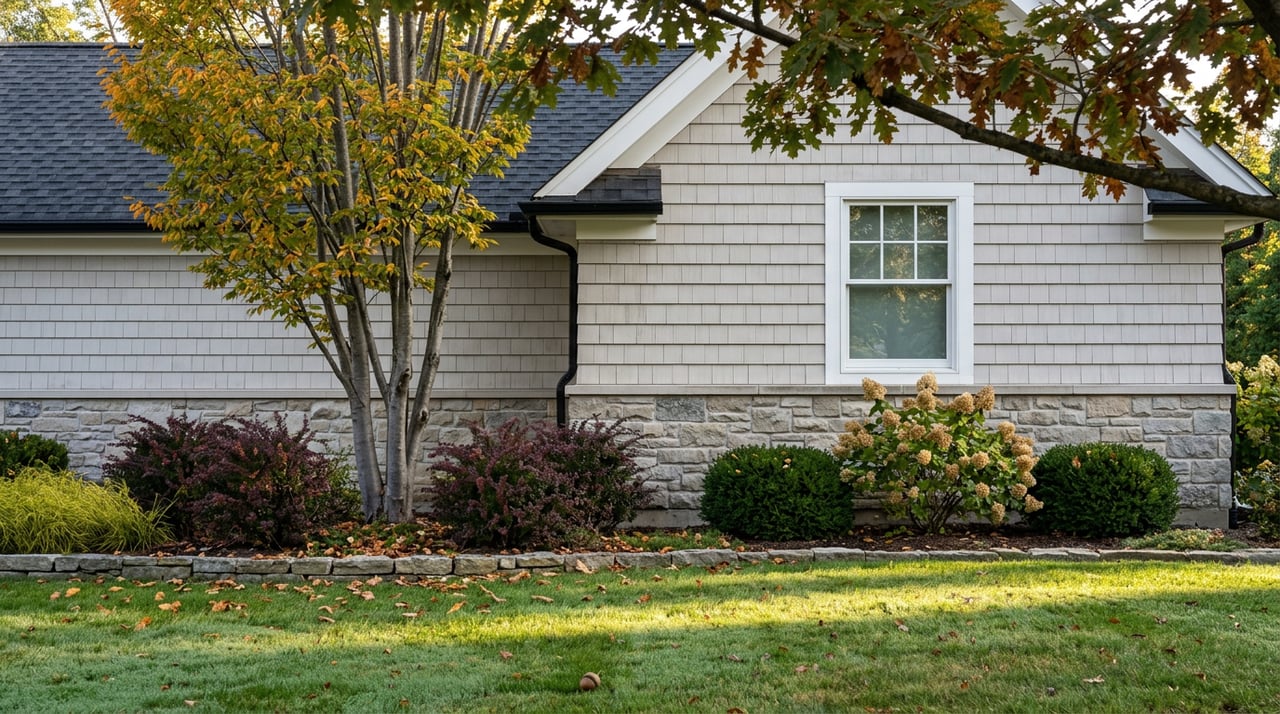
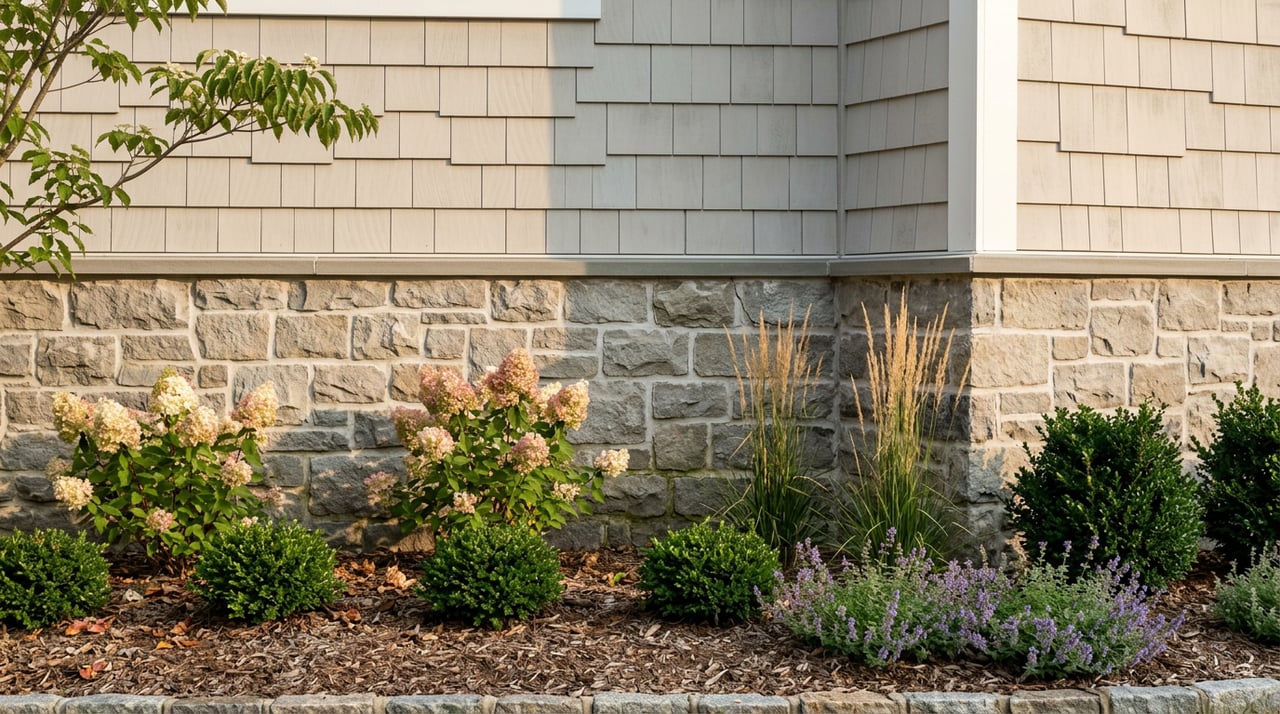
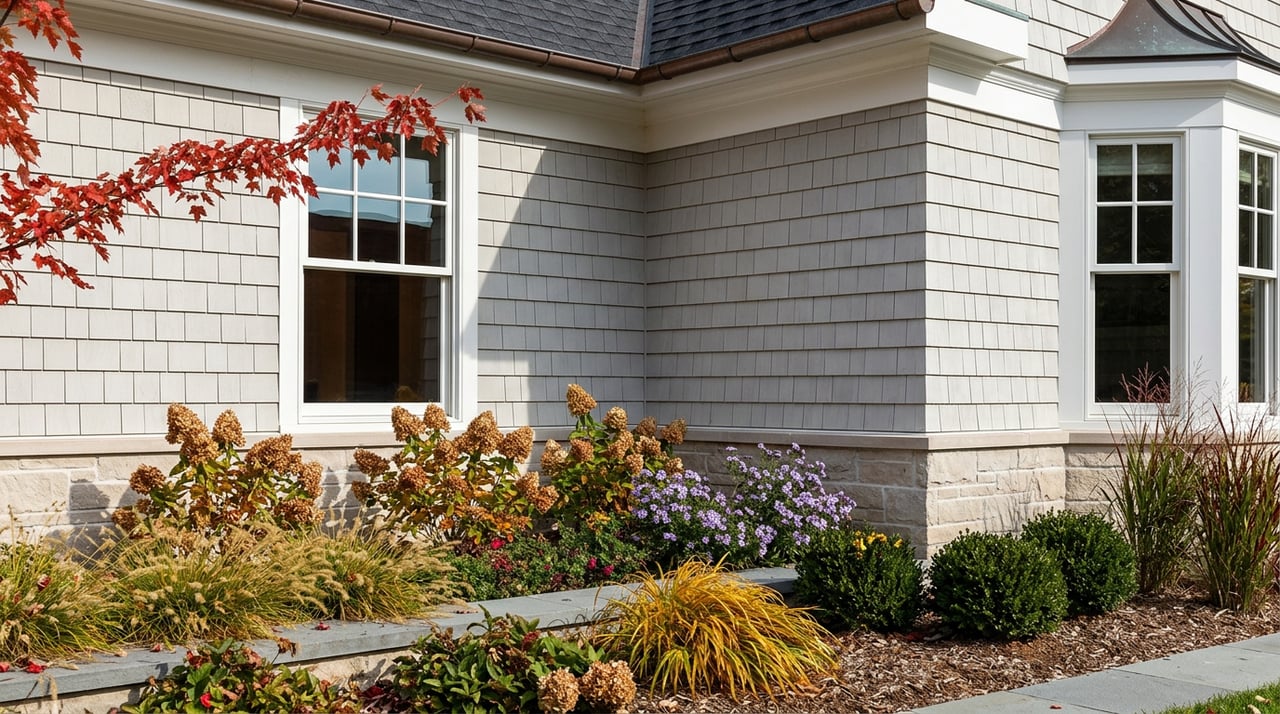
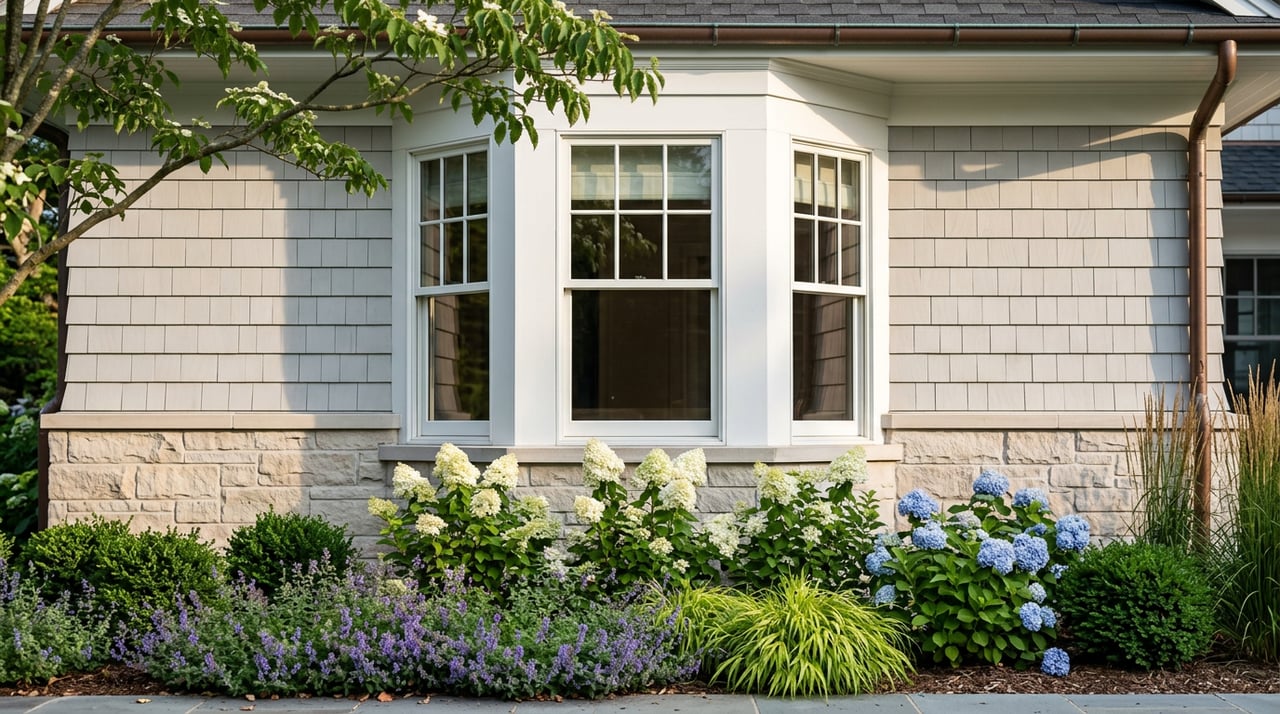
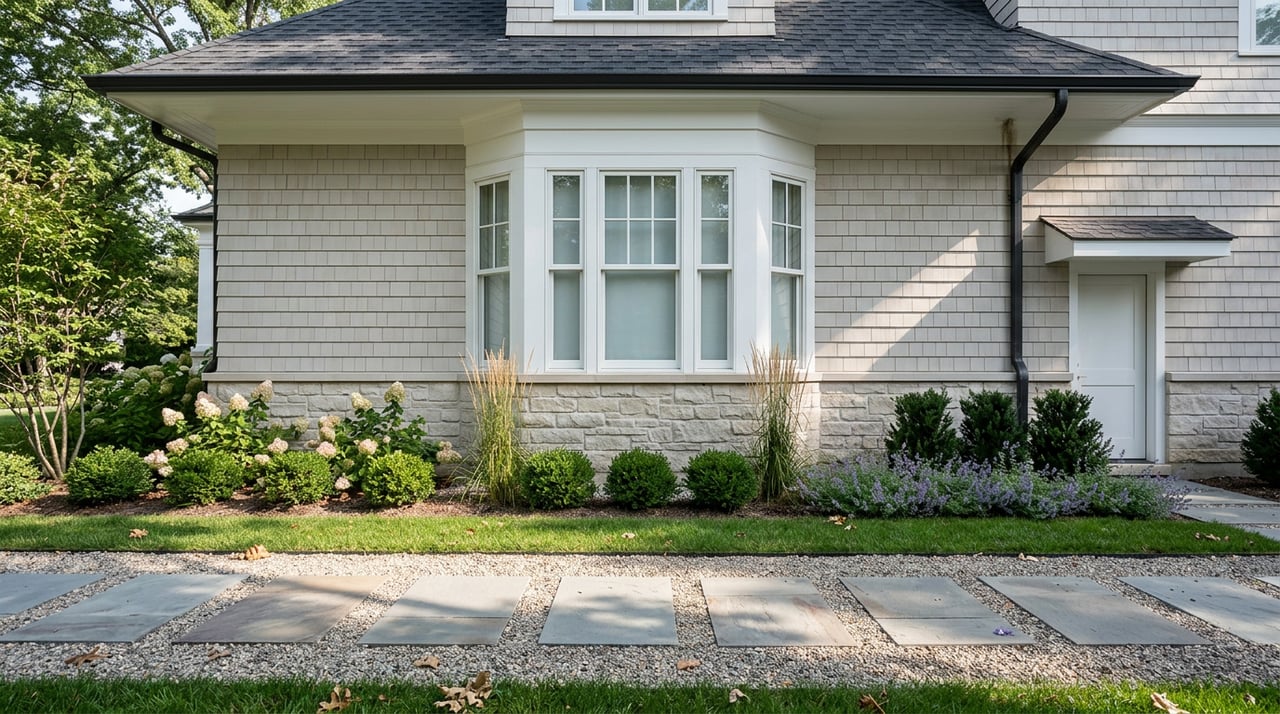
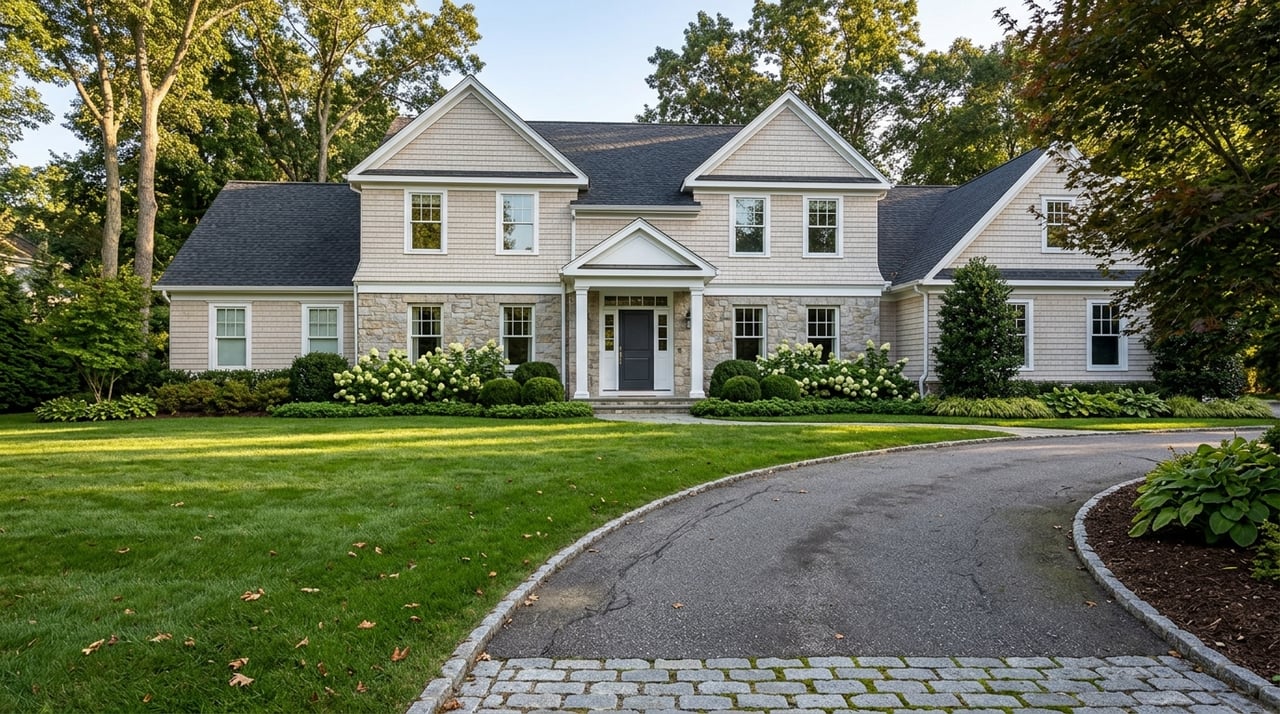
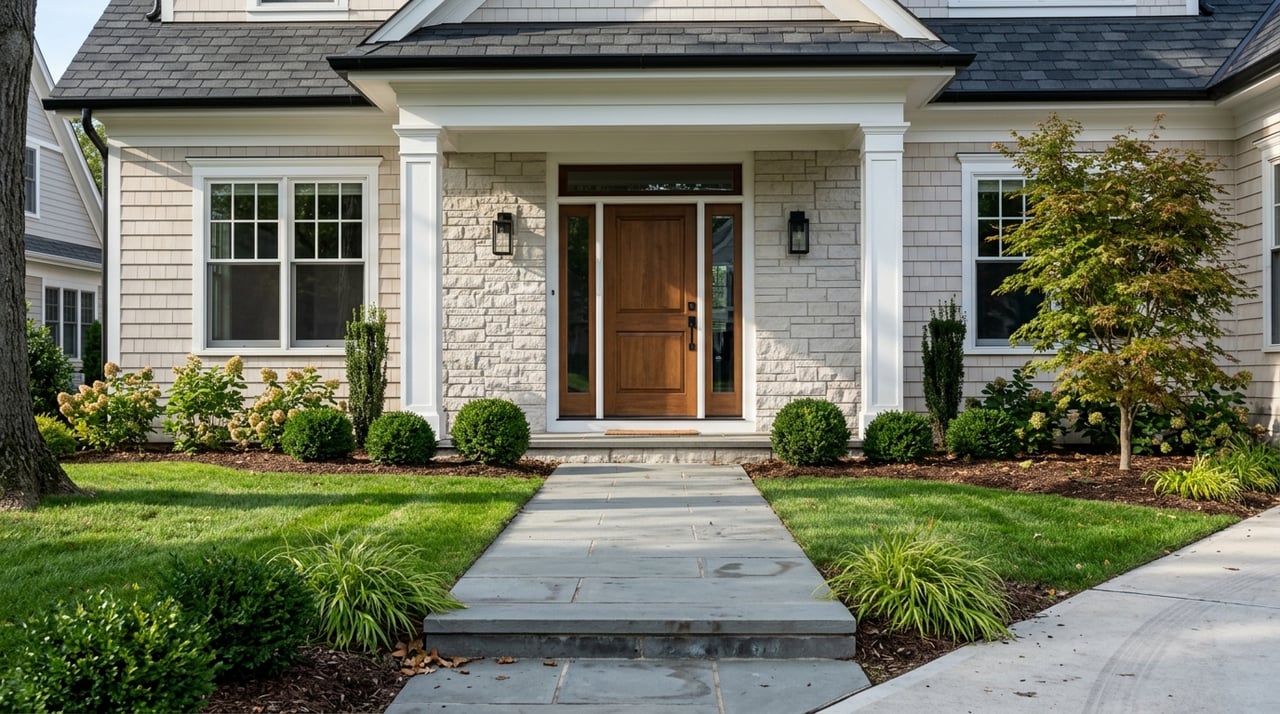
- Curb appeal: Power-wash, mulch, trim shrubs, refresh exterior lighting, and update house numbers or mailbox. Typical low cost: $1,000–$5,000. A new garage or entry door can offer strong recoupment according to the annual Cost vs. Value Report.
- Paint and lighting: Neutral paint and modern, bright fixtures make spaces feel clean and move-in ready.
- Organization: Simple closet systems, garage shelving, and a mudroom bench run about $500–$5,000 and solve everyday pain points buyers notice.
Kitchen updates buyers want
The kitchen strongly influences perceived value, but scope matters.
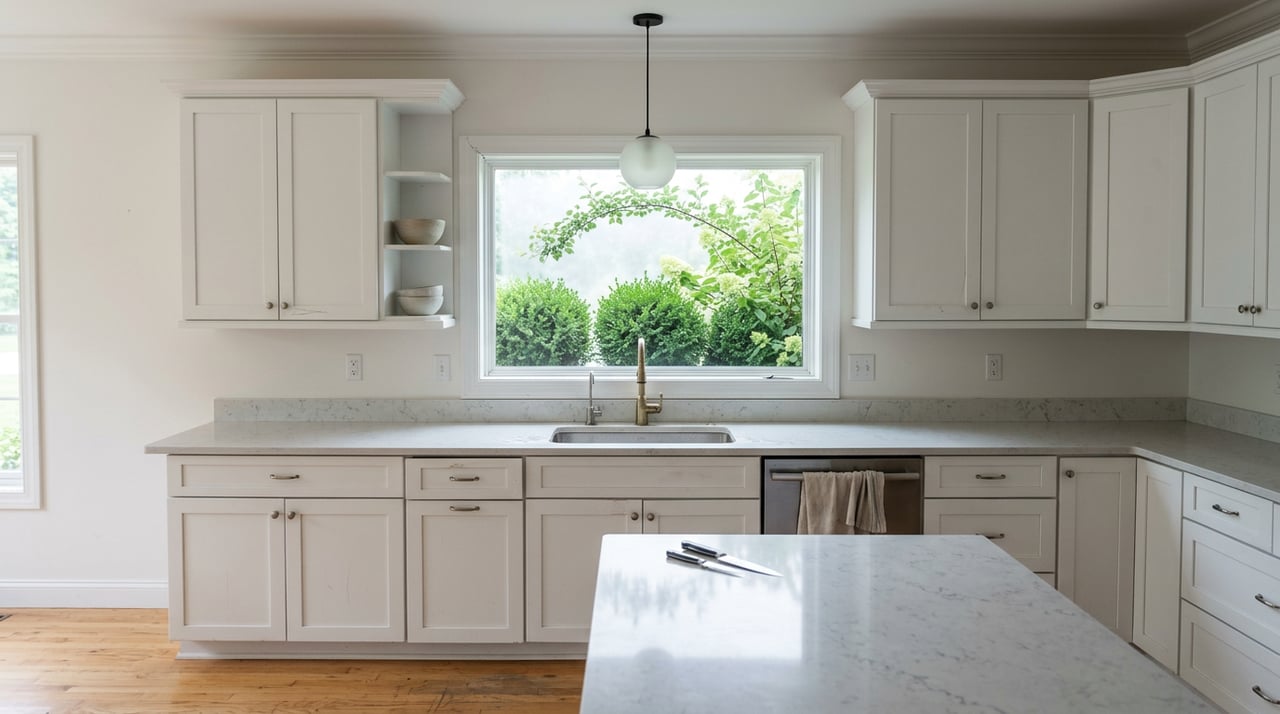
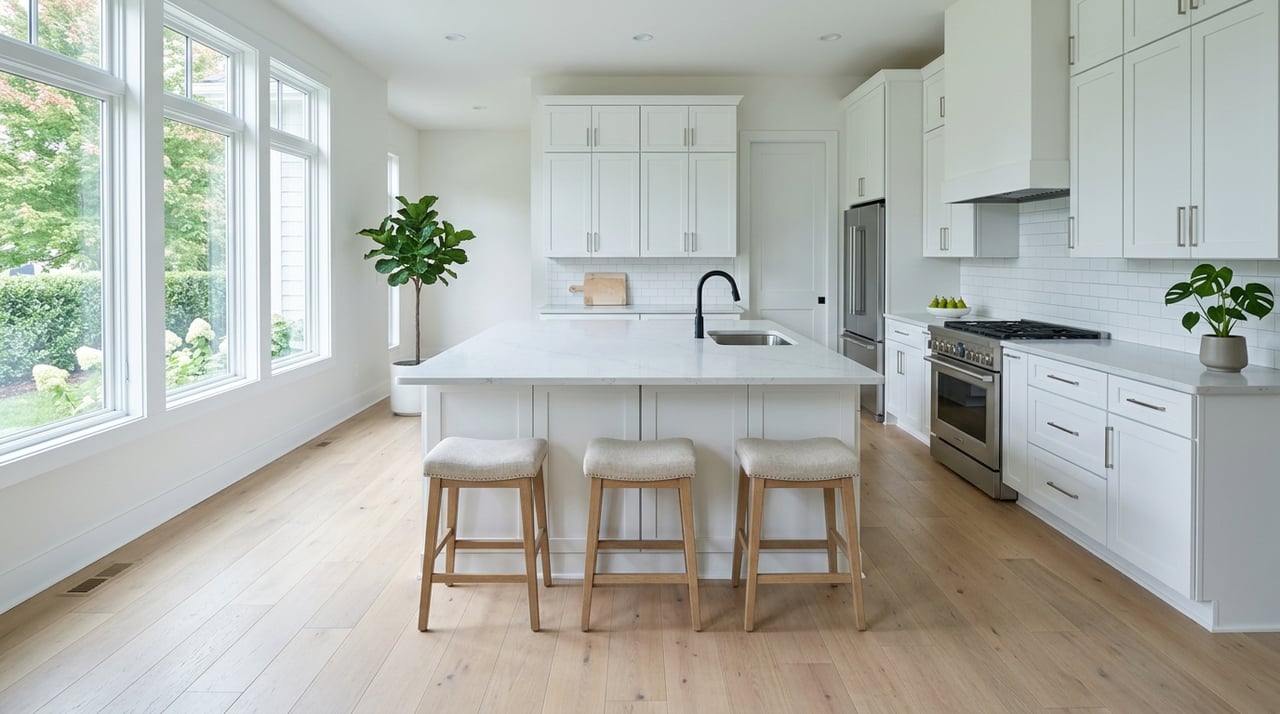
- Refresh/minor remodel: Paint or reface cabinets, swap hardware, add quartz or laminate counters, new sink/faucet, updated lighting, and a clean backsplash. Roughly $5,000–$25,000. Often a top priority for buyers in this segment.
- Midrange remodel: Replace midrange cabinets, counters, appliances, flooring, and lighting. Roughly $25,000–$75,000. Typically recoups a substantial share, though not always 100%.
- Major remodel: Custom cabinetry, layout changes, high-end appliances, or a large island. $75,000+. Consider only if your comps support it.
Tip: Match materials to the neighborhood. Durable, neutral finishes usually get broader buyer acceptance than bold, custom choices.
Outdoor living matters
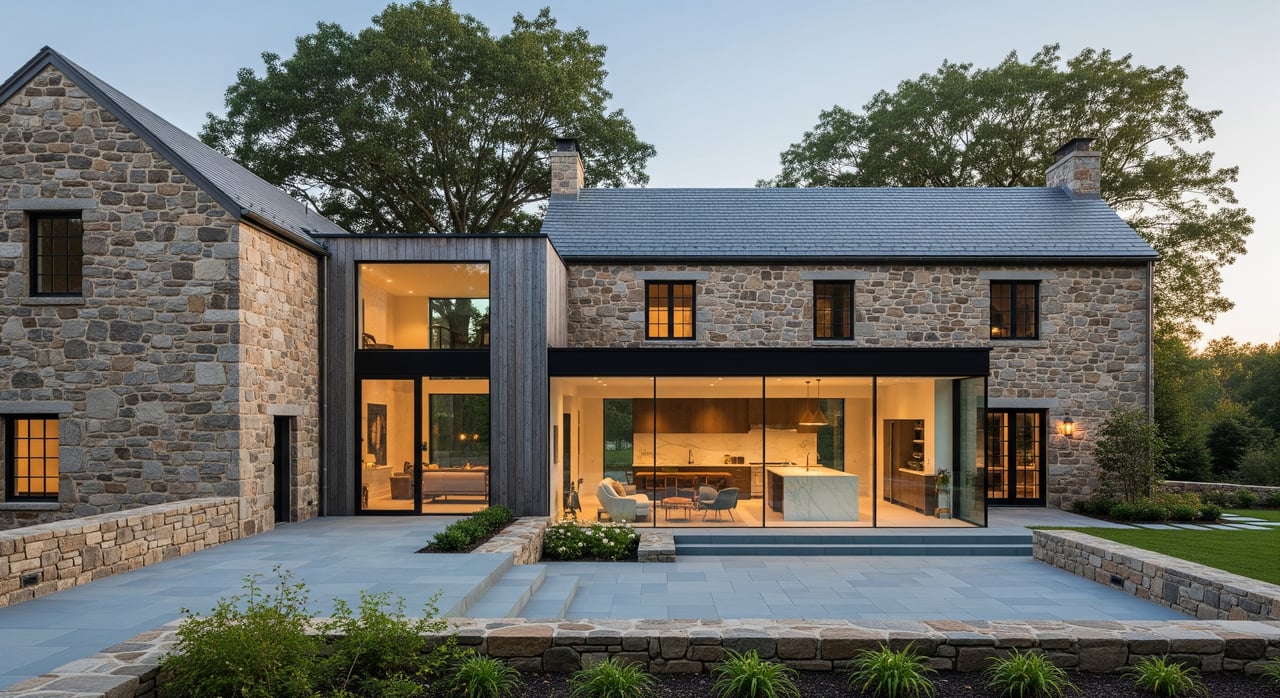
Glen Mills buyers value usable backyard space for relaxing and entertaining.
- Low: Simple landscaping, a gravel or flagstone patio, deck repairs, or a fire pit. $2,000–$10,000.
- Mid: Composite deck with railings, stamped concrete patio, pergola, or a basic outdoor kitchen element. $10,000–$40,000.
- High: Screened porch, extensive hardscaping, or a pool. $40,000+.
Modest decks and patios often show solid recoupment in regional studies. Very high-end outdoor packages may not return their full cost unless your block supports them.
Finish basements wisely
Finished basements add functional square footage at a lower cost per foot than additions.
- Partial finish: Create a rec room or office, keep dedicated storage. Add egress if you plan a bedroom. $15,000–$50,000.
- Full finish: Bedrooms, a full bath, and mechanical updates. $50,000–$100,000+.
ROI is variable and often lower than kitchens and baths. Ceiling height, moisture control, and legal egress drive buyer value. If most comps have finished basements, even a modest finish can improve marketability.
Bathroom updates that sell
Buyers downgrade dated baths quickly, but you do not need a spa-level overhaul to compete.
- Powder room refresh: New vanity, faucet, lighting, paint, tile floor. $2,000–$8,000.
- Midrange full bath: New tub or shower, tile, vanity, and fixtures. $8,000–$25,000.
- Primary bath remodel: Larger footprint with higher-end finishes. $25,000+.
Midrange bath updates often recoup a reasonable share. Keep finishes clean and timeless.
Systems and efficiency
Newer systems reduce inspection risk and perceived future costs.
- Typical items: Roof, HVAC, and windows; documented service and replacements matter.
- These items may not fully repay their cost at closing but can reduce repair credits and buyer friction. See national buyer preference insights from the National Association of Realtors.
Budgets and timelines
Right-size your spend to the value of your home and your goals for spring.
- Budget heuristics:
- Cosmetic prep: 1–3% of expected sale price.
- Targeted updates: 3–7% for a kitchen refresh, bath updates, or partial basement finish.
- Major projects: 7–15%+ only if aligned with top neighborhood comps.
- Price bands:
- Small: $500–$10,000 for paint, deep clean, lighting, landscaping, organizers, and staging.
- Mid: $10,000–$50,000 for a kitchen refresh, midrange bath, composite deck, or partial basement finish.
- Large: $50,000–$200,000+ for a full kitchen, full basement, or major outdoor structures.
- Timing for spring: Allow 6–12 weeks for midrange projects. Start vetting contractors and permits in winter. Check your township’s requirements via the Delaware County site.
Step-by-step plan
- Clarify your goal: maximize price, speed, or both.
- Pull comps in your neighborhood using Bright MLS and note finishes, outdoor amenities, and basement status.
- Schedule a pre-listing walk-through with your agent plus an inspector or contractor to flag items likely to surface at inspection.
- Rank projects by buyer impact, cost and time to complete, and how they compare to comps.
- Get 2–3 written bids for each major project and confirm availability for your timeline.
- Confirm permits with your municipality and factor inspection schedules into your plan.
- Document upgrades with receipts and warranties for marketing and buyer confidence.
- After work, consider staging and professional photography to maximize first impressions.
Common pitfalls to avoid
- Over-improving: Do not outbuild the neighborhood. Align scope with comps.
- Timing gaps: Incomplete projects at listing invite renegotiation. Build in buffer time.
- Personalized finishes: Bold patterns or niche materials can limit appeal.
- Basement risks: Moisture and egress issues can escalate costs. Inspect first.
Vetting local contractors
- Ask for references and photos of recent, similar projects in your area.
- Verify insurance, licensing where applicable, and lien release procedures.
- Use a clear written contract with scope, payment schedule, target completion date, and change-order process.
- Prefer contractors experienced with Glen Mills neighborhoods and local inspectors.
Ready to list this spring?
A focused, neighborhood-aligned plan helps you spend wisely and sell with confidence. If you would like a comp-driven scope, vetted contractor referrals, and a full-service listing strategy tailored to Glen Mills, reach out to John Bell. We will help you prioritize updates that buyers value and bring your home to market with strong presentation.
FAQs
What renovations add the most value before selling a Glen Mills home?
- Focus on curb appeal, a kitchen refresh, midrange bath updates, usable outdoor space, and storage. Match scope to neighborhood comps to protect ROI.
How much should I spend on pre-listing updates in Delaware County?
- As a rule of thumb, plan 1–3% of expected sale price for cosmetic prep and 3–7% for targeted updates. Go higher only if your top comps support it.
Do I need a permit for a deck or basement finish in Glen Mills?
- Many townships require permits and inspections for decks and significant basement work. Confirm requirements through the Delaware County website.
Is a major kitchen remodel worth it for resale?
- Only if your immediate comps feature high-end kitchens. Otherwise, a midrange update or refresh often attracts buyers without overspending.
When should I start renovations for a spring listing?
- Begin vetting contractors and permits in winter. Allow 6–12 weeks for midrange projects, and keep a buffer so everything is complete before photos and launch.